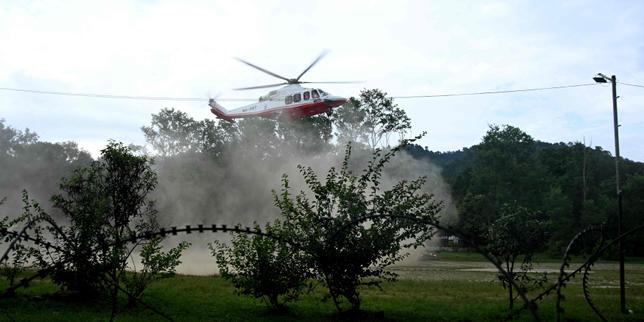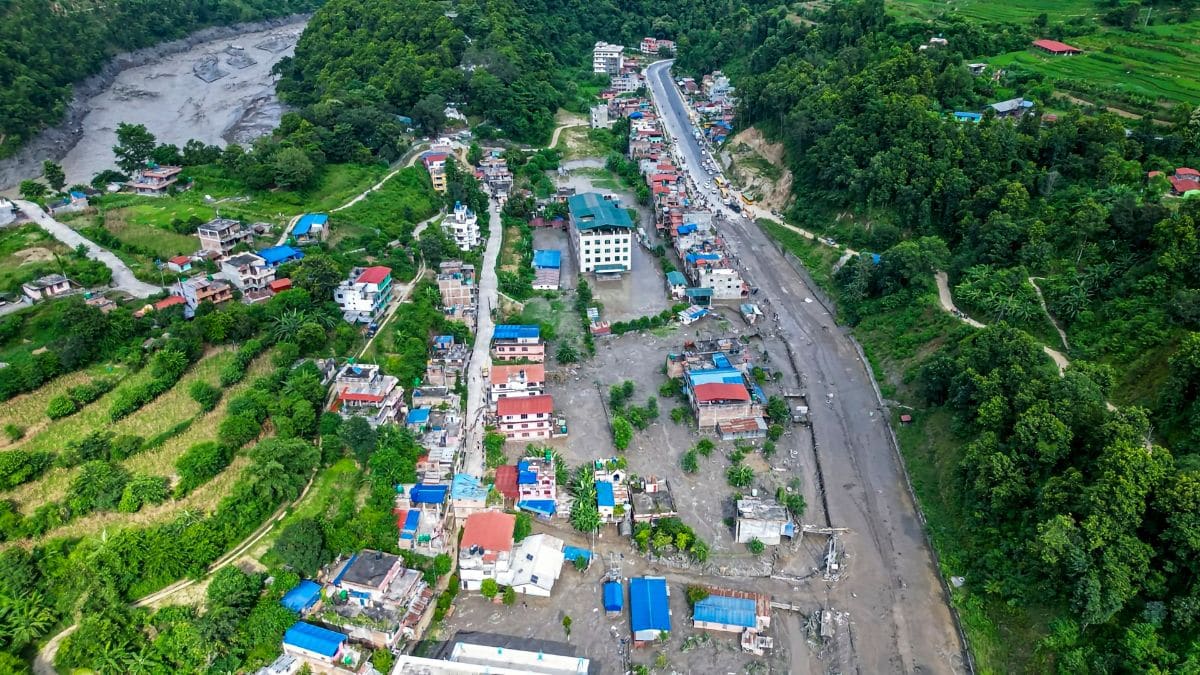
Every monsoon season, media outlets dust off the exact same tragic script. A flash flood strikes the Himalayas, pilgrims heading toward Mount Kailash and Lake Mansarovar vanish or face catastrophic delays, and headlines shriek about the wrath of angry mountain gods or unpredictable climate fury. The narrative is always wrapped in sorrowful platitudes about the raw, untamed danger of High Asia.
It is a convenient lie.
Nature does not single out pilgrims for destruction. The catastrophic human toll during the Kailash Mansarovar pilgrimage season is not an act of random divine malice or an unforeseeable meteorological anomaly. It is the predictable outcome of structural denial, institutional negligence, and a romanticized tourist culture that treats high-altitude survival as a spiritual loyalty test rather than a logistical engineering challenge.
I have spent years analyzing cross-border disaster management protocols and high-altitude tourism corridors across the Tibetan Plateau and Himalayan foothills. I have watched authorities greenlight high-density expedition traffic through active alluvial fans during peak cloudburst windows simply to protect tourism revenue and religious optics.
When over four hundred pilgrims go missing or get stranded after a devastating Nepal or Tibet flash flood, the standard reaction is a collective shudder and a prayer. That response is morally bankrupt. We need to stop treating geography as a scapegoat for human failure.
The Myth of Unpredictable Mountain Wrath
The lazy consensus in disaster reporting frames these events as sudden bolts from the blue. Meteorologists and local administrators throw their hands up, claiming that Himalayan weather patterns are too chaotic to model.
That is nonsense.
Data from regional hydrological networks shows that flash floods in river valleys like the Karnali, Humla, or upper Brahmaputra basin follow distinct hydrodynamic triggers. Intense localized precipitation combined with glacial lake outbursts creates predictable surges down narrow gorges. The warning windows exist. The satellite telemetry exists.
What fails is not the technology; it is the institutional willingness to act on it. Tour operators and state-backed pilgrimage boards routinely ignore early-warning telemetry because pausing a lucrative multi-week expedition schedule hurts the bottom line. When thousands of civilian trekkers are bottlenecked in narrow river valleys without viable high-altitude escape routes, a flash flood does not cause a disaster—it merely exposes one that was engineered weeks in advance.
Romanticizing Peril Kills People
We have built a bizarre cultural architecture around sacred geography that actively encourages recklessness. In mainstream adventure and religious tourism circles, enduring physical hardship, substandard infrastructure, and acute danger are marketed as purifying trials.
If you complain about inadequate safety barriers, nonexistent emergency radio frequencies, or lack of acclimatization protocols, you are told you lack faith or resilience. This toxic romanticism of suffering is a killer.
Let us look at the structural reality of the Kailash Mansarovar corridor. Pilgrims traverse extreme terrain spanning rugged borderlands between India, Nepal, and the Tibet Autonomous Region of China. This is not a casual Sunday hike through a local park. It is an extreme mountaineering environment sitting consistently above 4,500 meters, where hypothermia, pulmonary edema, and sudden hydrological blowouts are standard environmental variables.
Treating this route like a mass-market package tour—where buses haul thousands of unprepared elderly travelers through unstable landslide zones during the peak monsoon—is operational insanity.
The Logistics of Accountability
If we want to stop writing these obituaries, we have to dismantle the current governance model of cross-border Himalayan tourism.
First, we must institutionalize mandatory real-time tracking for every individual entering high-risk pilgrimage zones. If cargo ships in the open ocean must adhere to strict transponder and route regulations, a civilian caravan moving through a high-fatality flash-flood alley should be subject to the exact same standard of tracking.
Second, infrastructure investments need a complete inversion. Millions are spent on luxury lodges and cosmetic beautification at base points, while basic drainage engineering, rockfall barriers, and satellite-linked automated early-warning sirens along riverbeds remain tragically underfunded.
Third, permit caps must be tied directly to hydrological risk assessments, not political quotas or commercial demand. When meteorological models flag a high probability of monsoon-driven cloudbursts, the border gates must slam shut. Period. No exceptions for VIP groups, no bending the rules for late-season hopefuls.
The Hard Truth About Sacred Tourism
The most uncomfortable truth in this entire debate is that nobody wants to take responsibility because everyone benefits from the status quo until the bodies start stacking up.
Governments get foreign exchange and religious tourism optics. Tour operators cash the checks. Pilgrims chase a transcendental experience that modern life has starved them of. When a wall of water sweeps away a tent city in a river basin, the blame is neatly partitioned among the clouds, the gods, and bad luck.
Stop accepting the alibi of nature. The mountain is just doing what mountains do. The people managing the logistics are the ones failing.
Until we stop confusing spiritual devotion with operational incompetence, those four hundred missing souls will be the prologue to the next predictable tragedy. Stop praying for better weather and start demanding better engineering.