The air in a high-end art gallery carries a specific scent. It is a mix of expensive floor wax, filtered oxygen, and the silent, heavy weight of history. When you stand before a Picasso, you aren’t just looking at oil on canvas. You are looking at a fragment of a man’s soul, a piece of the 20th century frozen in a chaotic geometry of shapes. You trust your eyes. You trust the frame. Most of all, you trust the story behind the art.
But stories can be rewritten.
In a modest home in Florida, a father and daughter were busy rewriting the history of modern art with nothing more than a few canvases and a staggering amount of audacity. Philip Righter and his daughter didn't just stumble into a life of crime. They built a factory of illusions.
The Mechanics of a Masterpiece
To understand how a fake enters the world, you have to look past the paint. Most people think a forgery is about the talent of the hand—how well someone can mimic a curve or a specific shade of blue. That is the smallest part of the trick. The real heist happens on paper.
Provenance is the heartbeat of the art world. It is the documented history of who owned a painting, where it was hung, and which auction houses handled it. Without provenance, a Picasso is just an expensive mystery. To make their scheme work, the Righters had to manufacture more than art; they had to manufacture truth.
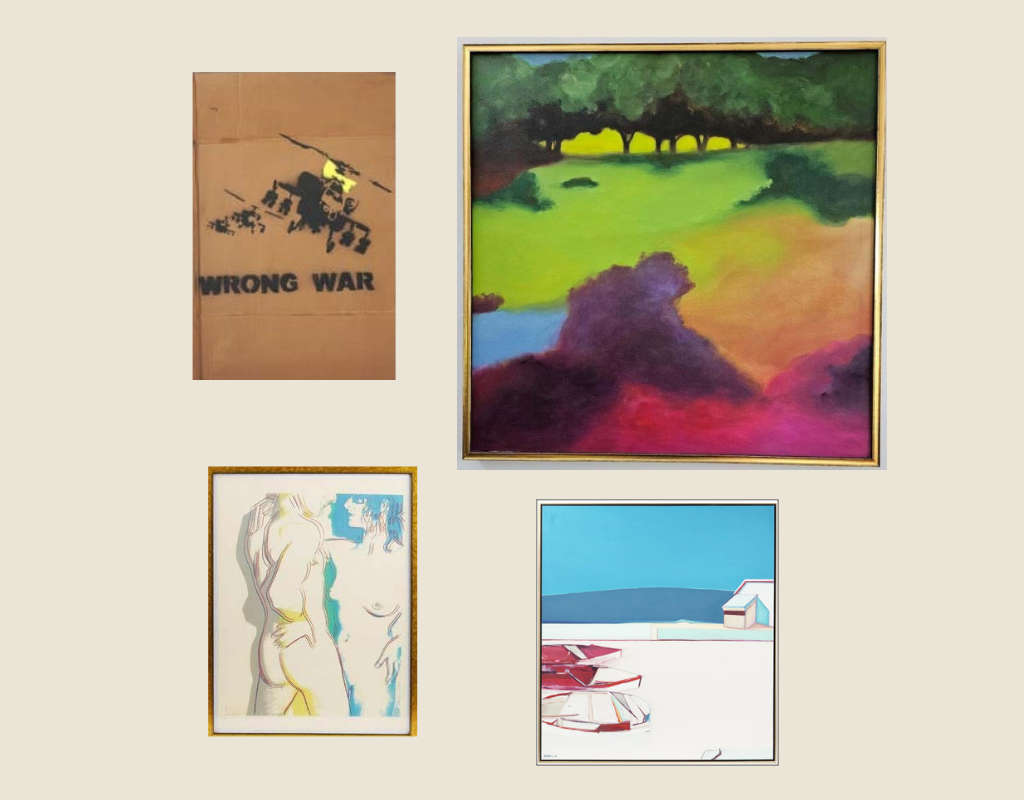
They created a paper trail that looked as aged and weary as a genuine artifact. They used fake letters, forged stamps, and deceptive certificates of authenticity. Imagine a hypothetical collector—let’s call him Arthur. Arthur has spent forty years building a retirement fund. He wants to diversify. He sees an opportunity to own a piece of history, a work by Banksy or Picasso, offered at a price that feels like a once-in-a-lifetime deal.
Arthur sees the "official" documents. He sees the signatures. He feels the thrill of the hunt. He hands over five figures, believing he has secured a legacy. In reality, he has purchased a lie that cost forty dollars to produce.
The Father, the Daughter, and the Federal Hammer
The partnership between Philip and his daughter adds a chilling layer to the narrative. This wasn't a lone wolf operating in a basement. This was a family business. There is a specific kind of intimacy required to maintain a lie of this magnitude. They shared the risk. They shared the reward.
They weren't just selling to private individuals. They were bold enough to target auction houses and even the government. At one point, they tried to use the forged works as collateral for loans and attempted to donate them to charities to claim massive tax write-offs. It was a play for total financial saturation.
But the art world is smaller than it looks. Experts have "eyes"—the kind of visual memory that can spot a misplaced brushstroke from across a room. When the works began to circulate, the discrepancies started to scream. A line was too shaky. The ink on a signature was too fresh. The paper didn't react to the light the way 1940s stock should.
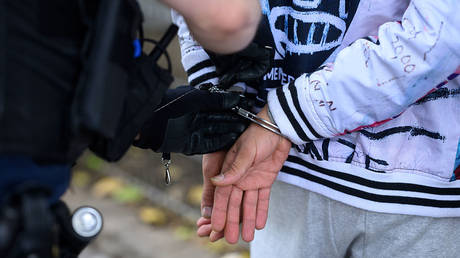
When the FBI's Art Crime Team finally moved in, the house of cards didn't just fall; it imploded. The Righters recently stood before a judge and pleaded guilty to mail fraud, wire fraud, and aggravated identity theft. The "masterpieces" were nothing more than evidence tags in a federal locker.
The Ghost in the Frame
Why do we care? If a fake is good enough to fool an expert, does it matter that it’s not real?
It matters because art is one of the last few things we have that is supposed to be untainted by the mass-production of the modern age. When we buy a piece of art, we are buying a connection to the artist’s hand. We are paying for the moment the brush touched the fabric.
A forgery is a ghost. It occupies the space of something beautiful while offering nothing but a void. Every time a fake Banksy is sold, the actual legacy of the artist is diluted. The market becomes a minefield. Real artists lose their value because buyers become too terrified to trust their own instincts.
The Righters weren't just stealing money. They were stealing the certainty of the viewer. They were profiting off the human desire to be part of something legendary.
The Price of Silence
The legal fallout for the father-daughter duo is significant, involving years of potential prison time and millions in restitution. Yet, the money is often gone by the time the handcuffs click shut. For the victims, the "Arthurs" of the world, the loss is more than financial. It is the embarrassment of being deceived. Many victims of art fraud never come forward because they don't want the world to know they were "suckers."
The Righters counted on that silence. They banked on the prestige of the names—Picasso, Banksy—to blind people to the red flags.
Consider the sheer scale of the deception: over $1 million in fraudulent sales. In the world of high-stakes art, that might seem like a drop in the bucket. But for the individuals on the other side of those checks, it was the theft of a dream.
The Final Canvas
We live in an era where deepfakes and digital manipulation make us question everything we see on a screen. Art was supposed to be the holdout. It was the physical, tactile proof of human genius.
The story of the Righters reminds us that the oldest con in the world is still the most effective: telling someone exactly what they want to hear, or in this case, showing them exactly what they want to see.
Now, the forged Picassos and the counterfeit Banksys are being stripped of their frames. They will never hang in a gallery. They will never be passed down through generations. They will sit in a dark room, labeled as fakes, serving only as a reminder that the most dangerous thing in an art gallery isn't the price tag.
It is the person standing next to you, holding a pen and a very convincing story.
The paint is dry. The courtroom is quiet. The only thing left is the smudge of a fingerprint on a fake signature, a tiny, human mistake that brought a million-dollar empire to its knees.