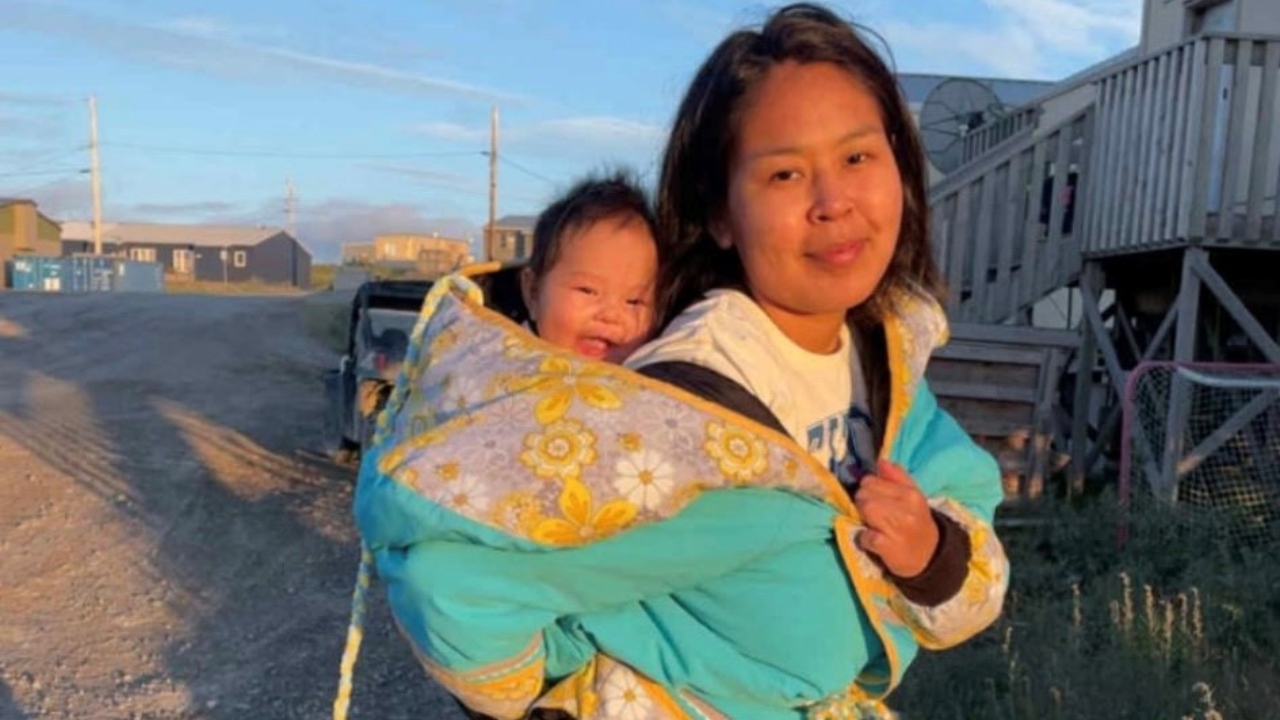
Imagine driving home from a baby shower, laughing about the tiny outfits and the cake, only to have your entire life dismantled at a routine traffic stop. This isn't a hypothetical horror story. It's the current reality for Tania Warner, a 47-year-old mother from Penticton, B.C., and her seven-year-old daughter, Ayla. They didn't cross a desert. They didn't jump a fence. They were living their lives in Texas, documented and paying taxes, when a Border Patrol checkpoint in Sarita turned into a cage.
The case is a brutal wake-up call for any Canadian living in the U.S. under the assumption that "doing things the right way" offers total protection. It doesn't.
When Paperwork Isn't a Shield
Tania Warner has lived in the U.S. for five years. She's married to Edward Warner, an American citizen. She’s a fitness coach; he’s a tattoo artist. By all accounts, they’re a normal family in Kingsville. When they were pulled over on March 14, 2026, Tania handed over her Texas driver’s license, her work visa, and her Canadian passport.
The agents took the documents, went inside, and never let her back out. Fifteen minutes later, they came for Ayla. Ayla has autism. For a child on the spectrum, being separated from a parent and shoved into a high-stress environment isn't just "unfortunate"—it's a psychological assault.
The official line from ICE? They claim she "overstayed." But the family’s lawyer and Edward insist her paperwork is valid until 2030. This is where the "bumpy road" turns into a cliff. Tania had applied for permanent residency years ago, but the application was denied because of a decades-old mark on Edward’s record from when he was a teenager. They’ve been fighting through the legal weeds ever since, using a self-sponsorship route to keep her status legal while the bureaucracy grinds away.
The Reality of the Rio Grande Valley
The pair started their detention at the Rio Grande Valley Central Processing Center, a place locals call "Ursula." If that name sounds familiar, it’s because it’s the same facility that became the face of the "kids in cages" controversy years ago.
Reports from the family are grim. We’re talking about a seven-year-old girl sleeping on a floor, huddled under a foil "space blanket" for warmth. This isn't a jail for criminals; it's a processing center for people whose only "crime" is a disputed date on a digital form. Tania has been forced to whisper during her few precious minutes on the phone so guards don't retaliate.
They’ve since been moved to the Dilley Immigration Processing Center. It's technically a "family" facility, which in the world of ICE means they finally got a mattress. But the trauma is already baked in. Ayla has developed a rash from the conditions, and Tania is suffering from recurring anxiety attacks.
The Self-Deportation Trap
ICE has reportedly offered Tania a "choice": sign a document to "self-deport" back to Canada and she walks out of the facility today. It sounds like a release, but it’s a trap. If she signs, she’s likely barred from entering the U.S. for years, effectively destroying her marriage and her life in Texas.
She refused to sign.
This is the leverage the system uses. They make the conditions so miserable that people sign away their rights just to see the sun again. For a Canadian citizen, the shock is often that the consulate can’t just swoop in and fix it. Global Affairs Canada has acknowledged the case but admits they can’t exempt citizens from local laws. Basically, if you're in the system, you're in the system until a judge or a high-level bureaucrat says otherwise.
Why This Matters to You
If you think this is just a "Texas problem," you’re wrong. ICE and Border Patrol have broad authority within 100 miles of any U.S. border—including the northern one.
- Checkpoints are everywhere: You don't have to be at the border to be stopped. Internal checkpoints like the one in Sarita are permanent fixtures.
- Status is fragile: Even with a valid EAD (Employment Authorization Document) or a work visa, an agent can detain you if they find the slightest discrepancy or if a previous application was denied.
- The "Special Relationship" is dead: Experts like Richard Kurland have pointed out that Canadians are no longer getting the "benefit of the doubt." We are being treated with the same aggressive scrutiny as any other foreign national.
How to Protect Your Family
If you are a Canadian living in the U.S., or even just visiting for an extended period, you need to stop assuming your passport is a "get out of jail free" card.
- Carry physical originals: Don't rely on photos of your visa or social security card. If you're near a border zone (which includes much of the U.S. population), have your actual status documents on you.
- Know your "Right to Remain Silent": Even if you aren't a citizen, you have the right to remain silent and the right to an attorney. Don't try to "explain" your way out of a checkpoint. Anything you say about your status can and will be used to justify detention.
- Have an emergency plan: If you're in a mixed-status marriage or working on a visa, have a lawyer’s number saved in your phone. Ensure your spouse knows where the original immigration "packets" are kept.
The Warners are currently relying on a GoFundMe to pay for the specialized legal help needed to navigate the intersection of criminal and immigration law. It's a mess that shouldn't exist for a family that followed the rules.
Check your own expiration dates today. Double-check your visa class. If there's even a 1% chance your paperwork could be misinterpreted, call an immigration attorney before you take your next road trip. Don't wait until you're whispering into a recorded phone line from a concrete room in South Texas.