Setting the Haft-Sin table used to be a moment of pure anticipation. You’d find the perfect sprouts, polish the silver coins, and hunt for the reddest apples in the market. But lately, the ritual feels heavy. For millions in the Iranian diaspora, the Persian New Year isn’t just a celebration of spring anymore. It’s a complicated navigation of survivor’s guilt, political defiance, and a grief that doesn’t seem to have an expiration date.
When you look at the photos coming out of Los Angeles, London, or Toronto, the vibrant colors of Nowruz are still there. Yet, if you talk to the people behind the displays, the mood is somber. The usual "Nowruz Mobarak" greetings are often followed by a sigh or a shared look that acknowledges everything left unsaid. We’re living through a time where the joy of a new beginning feels almost at odds with the reality of those back home.
The Weight of the Haft-Sin in Times of Conflict
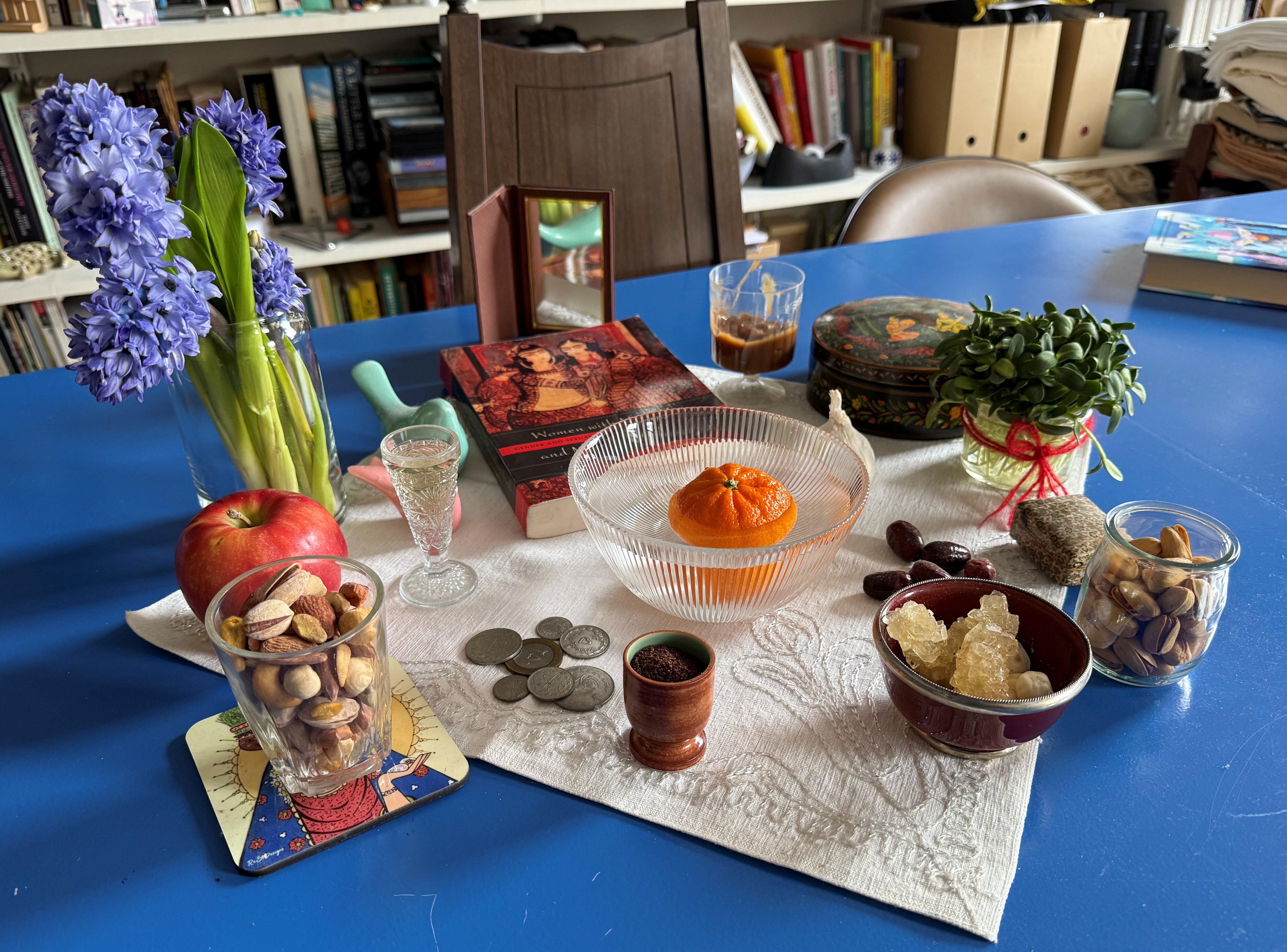
The Haft-Sin is the centerpiece of the holiday. Each of the seven items starting with the letter 'S' carries deep symbolic meaning—rebirth, health, patience, love. Traditionally, these are symbols of hope. But when your social media feed is a constant stream of news about executions, protests, and economic collapse in Iran, those symbols start to feel like a heavy responsibility.
I’ve seen families adding new elements to their tables this year. Some place photos of those lost in recent years next to the traditional mirror and goldfish. Others are choosing to keep their displays minimal, a quiet nod to the fact that while the Earth is renewing itself, the political and social climate for their loved ones remains frozen in a harsh winter. It’s a shift from performative celebration to a more reflective, internal observance.
The diaspora has always been a bridge. We carry the culture forward while looking back at the land we left. Right now, that bridge feels like it’s under immense pressure. There’s a tension between wanting to preserve the beauty of Persian heritage and the feeling that celebrating loudly is a betrayal of those who can’t.
When Black Becomes the Color of Spring
The phrase "everybody was wearing black" isn't just a literal observation from a few gatherings; it’s a vibe that has permeated the entire season. Usually, Nowruz is about brand-new clothes and bright whites or floral patterns. Seeing the community opt for darker tones tells you everything you need to know about the current headspace of the Iranian people abroad.
It’s a form of collective mourning that transcends borders. You see it at the Chaharshanbe Suri bonfires. People are still jumping over the flames, asking the fire to take their "yellow" (sickness/pallor) and give them its "red" (warmth/energy), but the chants have changed. The traditional songs are often replaced by slogans for "Woman, Life, Freedom." The fire isn't just a cleansing ritual; it’s a symbol of the spark of resistance that many hope will eventually lead to a different kind of renewal.
This isn't the first time Nowruz has been overshadowed by tragedy. Whether it was the Iran-Iraq war in the 80s or the various periods of unrest over the last two decades, the holiday has often been a site of quiet protest. But 2026 feels different. The distance between the diaspora and the homeland has shrunk thanks to digital connectivity, making the pain of those in Tehran or Shiraz feel like it’s happening in our own living rooms in Great Neck or North Vancouver.
Beyond the Dining Room Table
For many, the observance has moved from the private home to the public square. Instead of just hosting large dinner parties with Sabzi Polo Mahi, people are organizing rallies or using their holiday gatherings to fundraise for human rights organizations. The celebration has become an act of advocacy.
There’s a specific kind of exhaustion that comes with being part of a diaspora during a crisis. You’re constantly translating your culture and your trauma for a Western audience that might only pay attention when things are at their most violent. Nowruz offers a chance to show the world the depth of Persian culture beyond the headlines, but doing so takes an emotional toll. You’re trying to explain the beauty of the poetry and the food while your heart is breaking for the people who created them.
Finding a Way Forward Without Forgetting
So, how do you actually celebrate when your heart isn't in it? Many are finding a middle ground. They aren't skipping the holiday—that would be giving up on the culture itself—but they are changing the "how."
- Focusing on the Roots: Digging deeper into the history of the holiday as a celebration of the triumph of light over darkness.
- Community over Party: Prioritizing small, intimate gatherings where people can speak freely about their fears and hopes rather than large, flashy events.
- Support through Action: Using the traditional "Eidi" (New Year gifts) to donate to causes that support Iranian civil society or refugees.
The beauty of Nowruz is its resilience. It has survived empires, invasions, and radical shifts in governance for thousands of years. It’s a secular holiday that belongs to the people, not the state. That’s why it remains so vital, even when it’s painful. It’s a reminder that seasons change, and even the harshest winter eventually gives way to spring.
If you’re struggling with how to handle the holidays this year, start small. You don't need a perfect table or a house full of guests. Sometimes, just lighting a candle and acknowledging the endurance of your people is enough. Honor the tradition by staying informed and keeping the conversation alive. The most authentic way to observe Nowruz right now is to hold both the joy of the tradition and the weight of the current reality in your hands at the same time. Don't feel pressured to perform happiness. True renewal often starts in the dark.