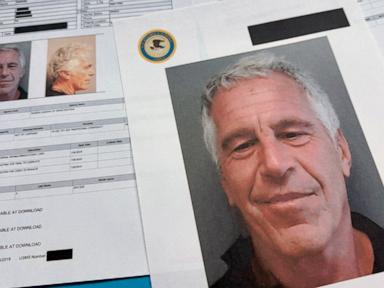
When a Florida woman pleads guilty to defrauding a compensation fund meant for the victims of Jeffrey Epstein, the mainstream media treats it as a bizarre true-crime anecdote about a uniquely depraved individual. They look at the forged documents, the fabricated trauma claims, and the stolen checks, and they frame it as an isolated moral failure. This is comfortable. It lets us point fingers at a bad actor, shake our heads at the depravity, and assume the system simply needs a tighter filter.
That framing is entirely wrong.
When you set up a pool of rapid-payout money detached from standard judicial verification loops, you do not just attract victims. You construct a beacon for grifters. The vulnerability is structural, not accidental. If you build a fund designed to bypass bureaucratic friction out of a misplaced sense of procedural guilt, predatory opportunistic fraud is the inevitable economic output.
I have watched well-meaning organizations set up emergency relief funds and philanthropic reserves with noble intentions, only to watch them get systematically hollowed out by professional fraudsters who treat grief as an asset class. The flaw lies in the architecture of corporate and legal empathy. We design systems that prioritize speed and emotional optics over forensic rigor, and then we act shocked when someone treats an open safe like an invitation.
To understand why this happens every single time, we need to look past the sensational headlines and examine the mechanics of crisis administration.
When an emergency fund materializes under massive public pressure, institutional panic sets in. The primary directive changes from risk mitigation to velocity. Administrators want the checks out the door. They want the press releases published. They want the appearance of swift justice and immediate restitution. In that rush, standard anti-fraud protocols are labeled as callous, bureaucratic cruelty.
This creates a perverse incentive structure.
Imagine a system where proving your victimization requires navigating a humiliating, slow-motion cross-examination, versus a system designed to believe claimants instantly to avoid bad publicity. Which one do you think a career fraudster targets? The fast-track mechanism becomes an easy target. The very features implemented to show compassion are the exact vulnerabilities exploited by outsiders who never suffered a day of the original harm.
The defense attorney will argue that bad apples exist in every demographic. That is a cop-out. Bad apples ruin a barrel only when the barrel is made of untreated, porous wood. When compensation mechanisms lack aggressive, adversarial validation from forensic accountants who assume every claim is a lie until proven otherwise, the fraud rate spikes exponentially compared to traditional civil litigation.
Civil courts are messy, expensive, and brutal. They drag out for years. They require depositions, discovery, and expert witness testimony. Victims hate them, rightfully so. But those friction points serve a vital systemic purpose: they act as a high-pressure filter that weeds out fabricators. When you bypass the courtroom to create a streamlined, benevolent trust fund, you remove the friction that stops the con artist, while keeping the emotional trauma intact for the actual survivors who now have to share their space with phonies.
We are told that empathy and security must exist in tension, that we must sacrifice verification for compassion. This is a false choice. True respect for victims means protecting their designated resources from parasites, which requires treating every single application like a hostile audit.
Until administrators accept that designing a fund for speed is equivalent to leaving cash unattended on a sidewalk, these scandals will repeat. The predators are not breaking the system. They are simply reading the manual the creators wrote.
Stop designing safety nets that punish the cautious and reward the performance of trauma. The next time a high-profile restitution fund opens, assume the first wave of applicants contains professionals whose only trauma is getting caught.