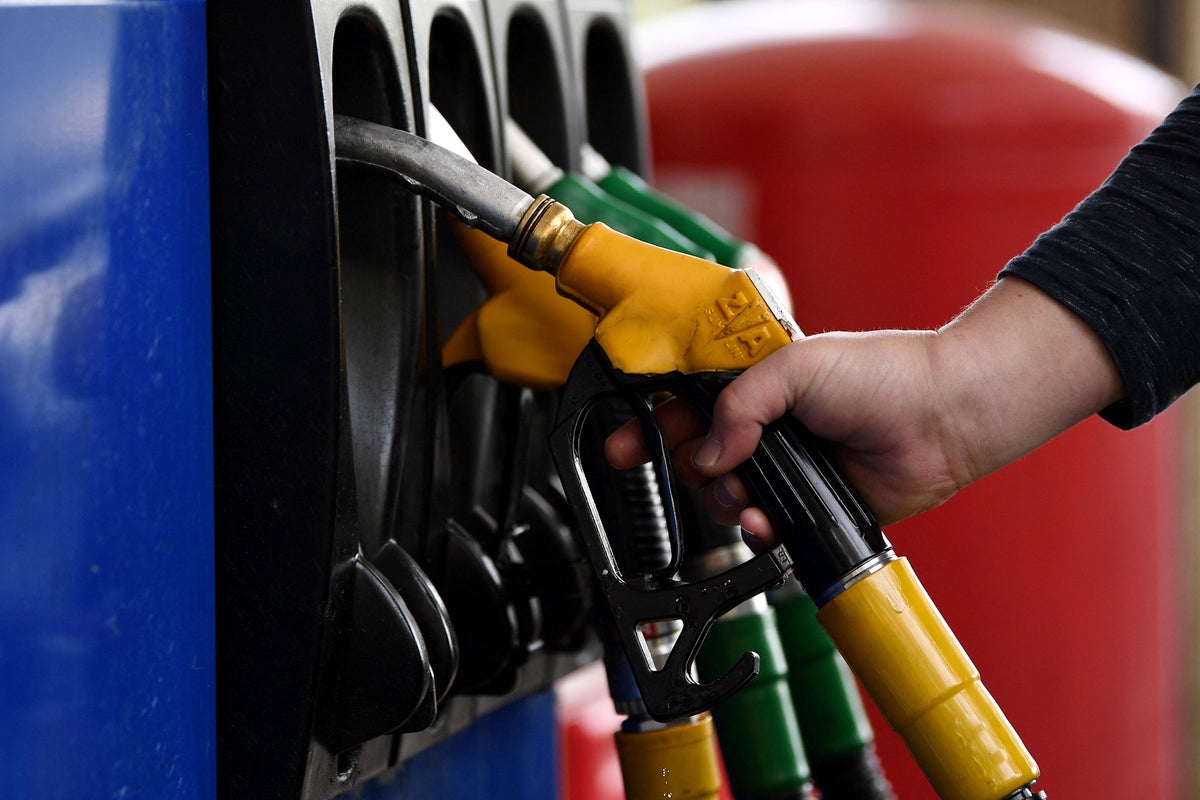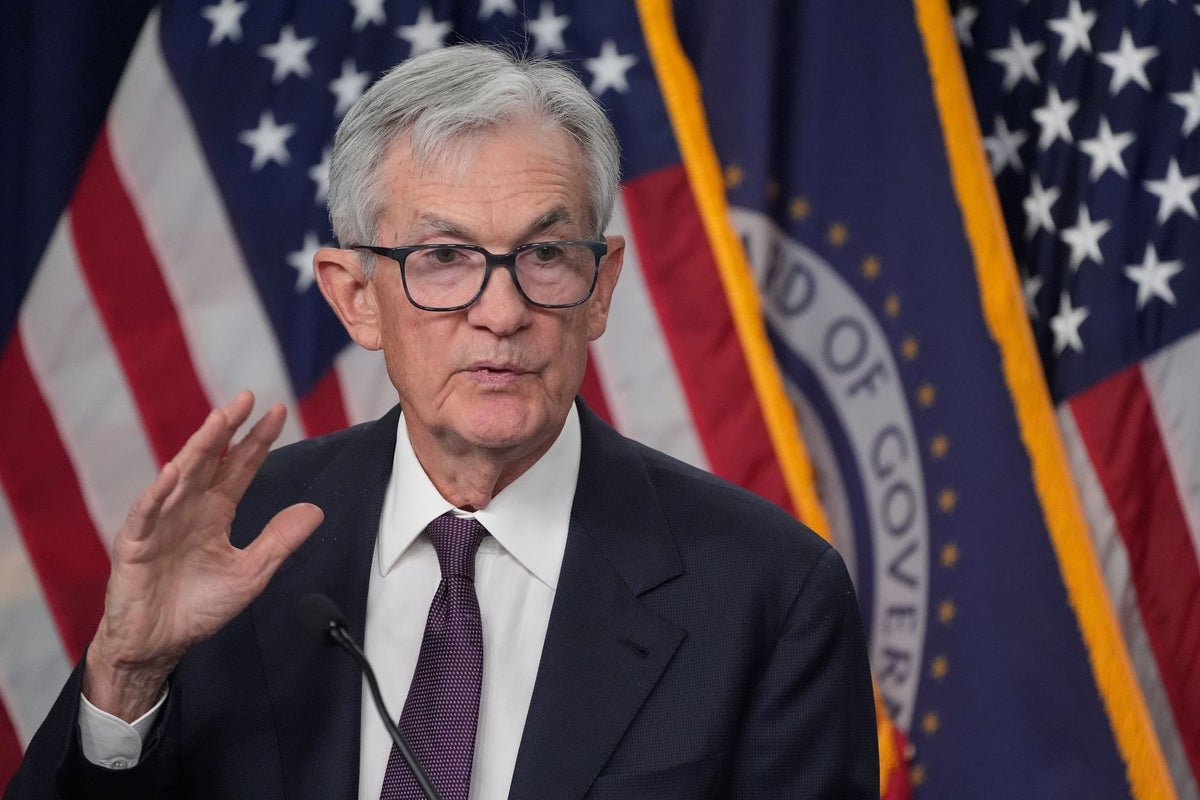
The Federal Reserve is in a corner. You’ve probably seen the headlines about interest rates and employment, but there’s a much more volatile beast keeping Jerome Powell up at night. It’s the energy market. When gas prices at the pump or heating bills at home start to climb, it doesn’t just hurt your wallet. It creates a domino effect that threatens to undo years of work the central bank has put into stabilizing the economy. The Fed is worried that a sustained energy crisis will bake inflation into the very fabric of our financial system, making it nearly impossible to shake.
Inflation isn’t just a single number. It’s a psychological state. Once people expect prices to keep rising, they demand higher wages. Then businesses raise prices to cover those wages. Energy is the ultimate catalyst for this cycle because it’s a "tax" on everything. You can’t bake bread without electricity. You can’t deliver a package without diesel. When energy costs spike, the floor of the entire economy moves upward.
The Invisible Tax on Everything
Most people look at the Consumer Price Index (CPI) and focus on "core" inflation, which conveniently strips out food and energy. The Fed likes core inflation because it’s less jumpy. But you can’t eat or drive on a core inflation report. The reality is that "headline" inflation—the one that includes your utility bills—is what actually changes consumer behavior. If energy stays expensive for too long, it bleeds into the price of your groceries, your clothes, and your Netflix subscription.
Central bankers call this "second-round effects." It’s the point where a temporary shock becomes a permanent problem. Right now, the Fed is watching for signs that companies are no longer absorbing high energy costs but are instead passing them directly to you. If that happens at scale, the Fed’s current strategy of "higher for longer" interest rates might not be enough. They’d have to get even more aggressive, which risks breaking the labor market.
Why This Crisis is Different from the Past
We aren't in the 1970s, but the echoes are getting louder. Back then, oil shocks led to a decade of stagnation. Today, the situation is more complex because we’re trying to manage a massive shift toward green energy while still relying heavily on fossil fuels. This "greenflation" is a massive headache for the Fed. We're under-investing in old energy sources before the new ones are ready to take the full load. This creates a supply-demand gap that makes the economy incredibly sensitive to any geopolitical hiccup.
Take the current state of global refineries. We haven't built enough of them. Even if crude oil prices stay relatively stable, the cost of turning that oil into gasoline or jet fuel can skyrocket because of limited capacity. The Fed has zero tools to fix this. They can’t drill for oil. They can’t build a nuclear power plant. They can only crush demand by making it more expensive for you to borrow money. It’s a blunt instrument for a very surgical problem.
The Wage Price Spiral Trap
The biggest fear inside the Eccles Building right now is the wage-price spiral. When energy costs stay high, workers feel the pinch immediately. Their commute gets more expensive. Their home heating bill doubles. Naturally, they ask for raises. If the labor market is tight—which it has been—employers pay up. To keep their profit margins, those employers then raise the prices of their goods and services.
This is the nightmare scenario for the Fed. Once this cycle starts, it’s incredibly hard to stop without a recession. They’re watching "inflation expectations" like hawks. If the average person starts believing that 4% or 5% inflation is the new normal because of energy costs, then 5% inflation becomes a self-fulfilling prophecy. This is why you hear so much "tough talk" from Fed officials. They’re trying to talk the market into submission so they don't have to actually hike rates further and cause a spike in unemployment.
Geopolitics is the New Monetary Policy
We used to live in a world where central banks were the most powerful players. Now, an OPEC+ meeting or a pipeline disruption in Europe has just as much influence over the U.S. economy as a Fed meeting. The fragmentation of global trade means energy is being used as a political weapon. This volatility makes the Fed's job a guessing game.
If a conflict breaks out and oil jumps to $120 a barrel, the Fed’s previous projections for 2% inflation go out the window. They’re forced to react to events they can’t control. This uncertainty leads to "policy errors." Either they stay too loose and let inflation run wild, or they tighten too hard and send us into a tailspin. There's no middle ground when energy markets are this unstable.
What You Should Actually Do About It
Stop waiting for the Fed to "fix" prices. They can't. They can only make it harder for you to spend. If you’re looking at the economy right now, you need to realize that energy-driven inflation is likely a structural feature of the next few years, not a bug. This means the era of cheap money is over.
First, look at your own "energy exposure." If you’re running a business, you need to find ways to decouple your margins from energy price swings. This might mean investing in efficiency or renegotiating contracts now. For individuals, it means assuming that your cost of living will remain volatile. Don't count on a return to 2019 prices.
Second, pay attention to the "breakeven inflation rate." This is a market-based measure of what investors think inflation will look like in the future. If this number starts climbing alongside energy prices, expect the Fed to get nasty with interest rates. That’s your signal that the "soft landing" is in jeopardy.
You’ve got to stay liquid. In a world where the Fed is fighting an energy-driven ghost, cash flow is king. High interest rates mean your debt is more expensive, and high energy prices mean your overhead is up. It’s a pincer movement. The best move is to deleverage where possible and keep a close eye on the weekly energy inventory reports. Those numbers will tell you more about the future of interest rates than any press conference ever will.
The Fed isn't just worried about a number on a chart. They're worried about losing control of the narrative. When energy prices dictate the economy, the central bank loses its power. That's a dangerous place for any economy to be. Brace for more volatility and don't expect a pivot to lower rates until energy markets stop being so chaotic.