The sidewalk is supposed to be a silent social contract. You walk down Granville Street or Commercial Drive, eyes forward, shoulders relaxed, trusting that the stranger passing within inches of your elbow is just another ghost moving through the city. We surrender our peripheral vision to the rhythm of the commute. We assume safety in numbers.
Then the contract snaps.
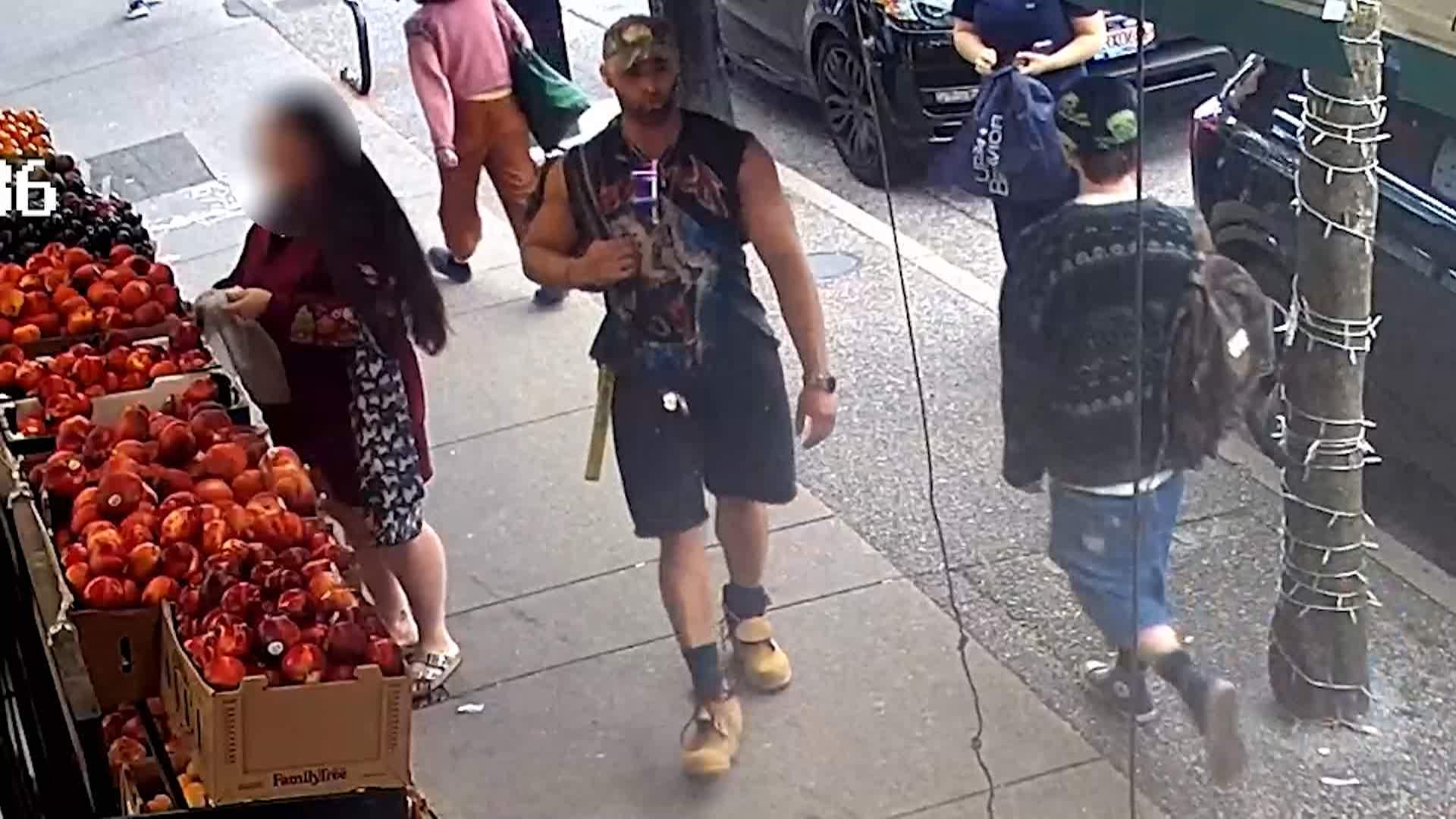
For twenty-nine-year-old Dylan Brandon Gaita, that silent contract became a series of sudden, violent impacts. A hip-check on a crowded sidewalk. An elbow driven into the face of a woman walking near East First Avenue. A seventy-seven-year-old woman left on the pavement with a fractured pelvis after a targeted strike. These were not accidents. They were unprovoked, calculated flashes of hostility against vulnerable pedestrians.
Consider what happens next in the machinery of justice. When police arrested Gaita initially, the system did what it was designed to do under standard legal frameworks: it released him. With an ankle monitor humming quietly against his skin and a list of strict conditions, he walked back out into the open air. Probation orders were signed. Months ticked by. And yet, the violence found a way to repeat itself, culminating in fresh attacks that left more strangers nursing bruises and shattered peace.
Trust is a fragile architecture. When a man accused of a string of stranger assaults walks free on bail only to allegedly strike again, the foundation cracks for an entire city. Citizens begin to look differently at the person approaching them in a crosswalk. Every shadow under an awning feels heavier. The psychological toll of urban violence lingers long after the physical wounds close.
On a Tuesday in a B.C. provincial courtroom, the revolving door briefly stopped. Judge Deanne Gaffar listened to the submissions, weighed the invisible stakes of public safety against the rights of the accused, and delivered a definitive word: detained. No ankle monitor this time. No conditional release.
The courtroom doors closed behind Gaita, and he remains locked away as the legal process grinds toward its next date. But the larger question remains echoing on the damp pavement outside. How many broken bones and shattered nerves does it take before a community can walk its own streets without looking over its shoulder?