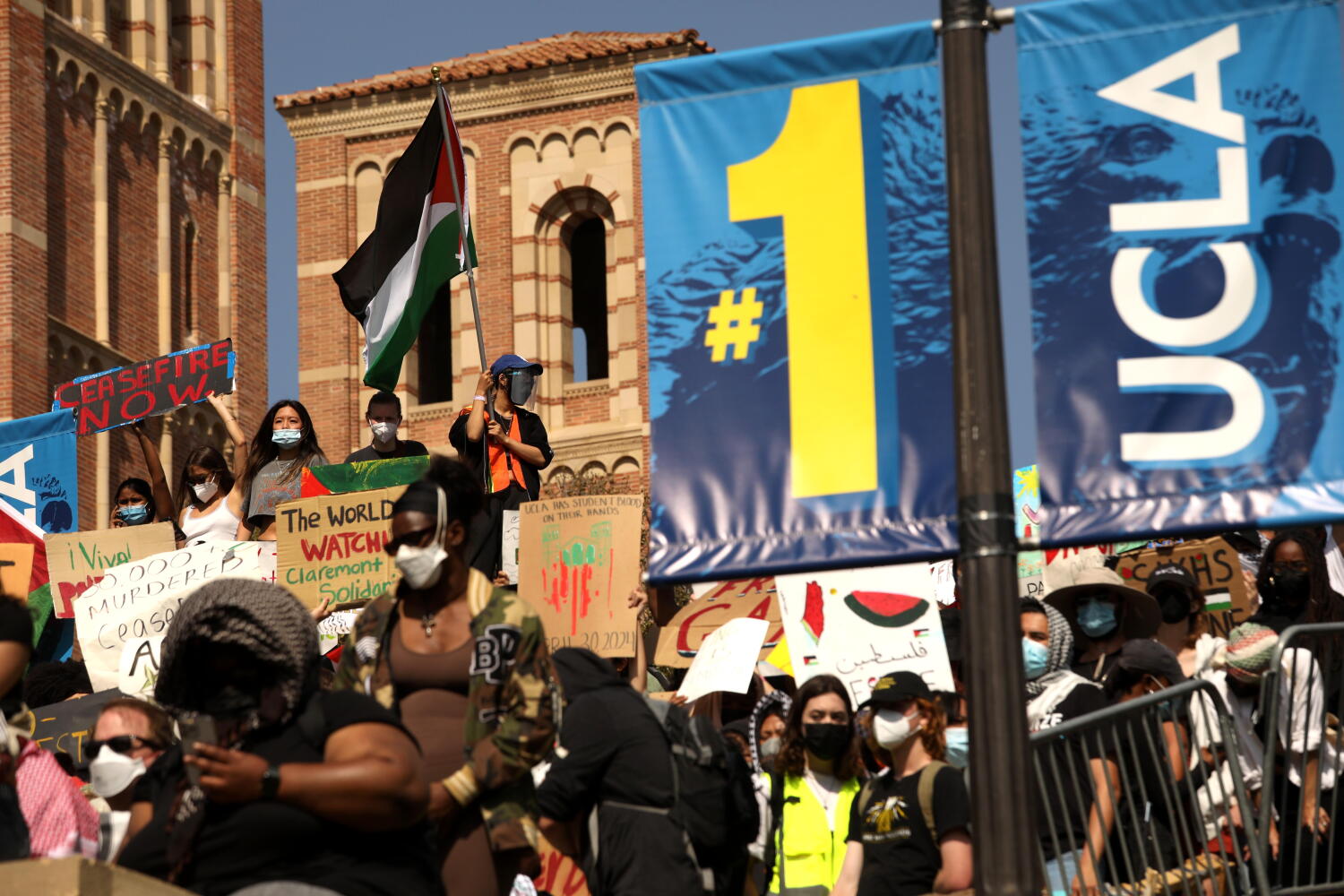
Higher education administrators love the phrase administrative discretion. It sounds benign, almost bureaucratic, like ordering office supplies or scheduling parking maintenance. Behind closed doors at the University of California, Los Angeles, that exact discretion has transformed into a heavy-handed mechanism used to discipline pro-Palestinian student activists away from public scrutiny. When a computer science doctoral student named Dylan Kupsh filed a federal lawsuit against UCLA, he pulled back the curtain on an opaque disciplinary system designed to punish political speech under the guise of neutral code-of-conduct violations.
The mechanics of modern campus discipline rarely resemble a fair trial. Instead, universities utilize internal tribunals that lack the standard evidentiary protections of civil courts, operating in gray zones where student rights are routinely abridged. Kupsh’s legal challenge alleges viewpoint discrimination and severe due process violations, highlighting how campus judicial affairs offices have become shadow courts. The university system maintains that these proceedings are necessary to keep order and enforce campus safety rules. Critics and civil rights advocates argue they are instruments of political suppression, deployed to quiet dissent over the war in Gaza without triggering public accountability. You might also find this similar coverage useful: Stop Pretending Britain Is Being Dragged Into Anything.
Public universities are state actors bound by the First Amendment. That legal reality is inconvenient for administrators facing intense pressure from federal authorities, wealthy donors, and state politicians. When large-scale demonstrations disrupted campuses, leadership scrambled to regain control. Rather than engaging with the messy realities of political speech, many institutions outsourced their crisis management to internal disciplinary boards. These boards operate behind closed doors, keeping transcripts confidential, limiting independent counsel, and shielding administrators from embarrassing cross-examinations.
The strategy relies on a simple bureaucratic trick. Instead of accusing a student of protesting or expressing a specific political viewpoint, charges are framed around procedural infractions. Blocking a walkway, failing to comply with an administrator's order, or erecting unauthorized structures serve as clean, content-neutral pretexts. Once the infraction is codified on paper, the underlying political motivation vanishes from the official record. It is a clean way to sanitize censorship. As reported in recent reports by USA Today, the results are widespread.
Kupsh’s case exposes the human cost of this administrative machinery. A doctoral candidacy requires years of meticulous research, intense focus, and financial sacrifice. Placing a student on indefinite disciplinary probation or threatening expulsion mid-program acts as an effective career chokehold. It forces activists to calculate whether standing up for their convictions is worth the complete derailment of their livelihoods. This chilling effect spreads faster than any formal policy directive. Other students watch what happens behind those closed doors and adjust their behavior accordingly.
The broader institutional pressure on UCLA compounds the chaos. Federal investigations, congressional scrutiny, and external lawsuits have created an environment of defensive panic. Administrators feel caught between competing legal threats, facing pressure from federal agencies over alleged civil rights failures, while simultaneously being sued by students and faculty for cracking down on free expression. In trying to appease everyone, the administration has satisfied no one. They have instead constructed a Byzantine disciplinary apparatus that handles complex political expressions through arbitrary penalties.
Legal challenges like this one test the boundaries of institutional authority. Courts have historically granted universities wide latitude in managing internal affairs, trusting educators to maintain academic environments. Yet, when internal tribunals function primarily to silence disfavored political speech, that judicial deference begins to fray. If a public university can shroud political discipline in administrative confidentiality, the constitutional protections guaranteed to students on campus cease to mean anything at all. The closed door becomes the final arbiter of public speech, operating out of sight and out of reach.
Dylan Kupsh UCLA Lawsuit Discussion
This video provides additional context regarding the ongoing legal battles and protests surrounding disciplinary actions at UCLA.