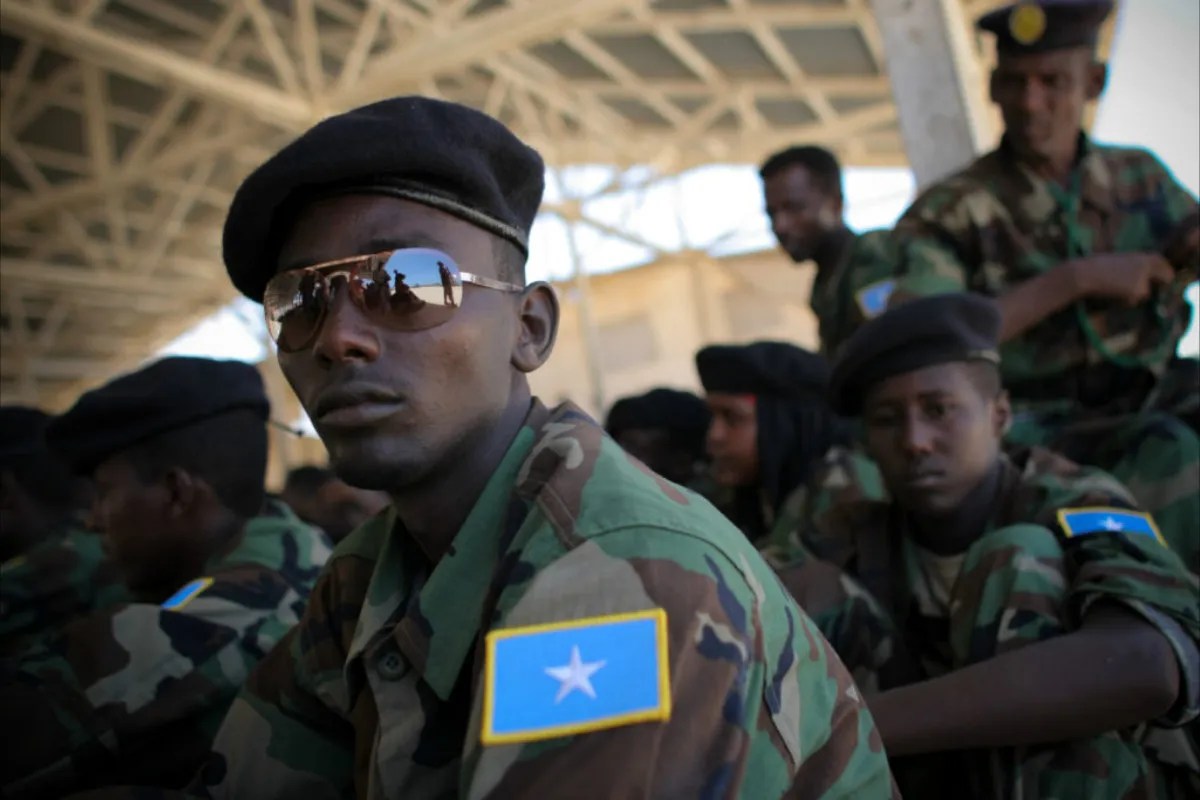
The neutralization of 22 Al-Shabaab operatives by Somali security forces in the Lower Shabelle region serves as a data point for a broader shift in regional counter-insurgency mechanics. While surface-level reporting focuses on the body count, the strategic value lies in the degradation of tactical autonomy and the disruption of localized tax collection networks that fund asymmetrical warfare. Success in this theater is rarely defined by the number of casualties, but rather by the erosion of the insurgent's ability to govern the "shadow state" in rural corridors.
The Geography of Attrition
The Lower Shabelle region acts as a logistical artery for Al-Shabaab. Its proximity to Mogadishu and its fertile agricultural output make it the primary engine for the group’s revenue extraction and its staging ground for urban incursions. When security forces conduct high-yield kinetic strikes, they are effectively raising the cost of occupancy for the insurgent.
- Operational Density: The concentration of 22 combatants in a single engagement suggests a command-and-control node or a training assembly rather than a standard patrol.
- Infrastructure Denial: Dislodging these units forces the remaining elements into deeper, less hospitable terrain, increasing their logistical friction and slowing their response time to government maneuvers.
- Intelligence Fluidity: High-casualty events typically follow a breakthrough in human intelligence (HUMINT) or signals intelligence (SIGINT). This indicates a breach in the insurgent’s operational security, suggesting that local populations are beginning to recalculate the risk-reward ratio of cooperation with the state.
The Economic Impact of Insurgent Neutralization
Al-Shabaab operates on a sophisticated extortion model, often termed "Zakat." By maintaining a presence in rural districts, they dictate the flow of goods and extract a percentage of all commerce. The removal of a 22-man unit creates a temporary power vacuum that interrupts this extraction.
- Supply Chain Normalization: Insurgent checkpoints act as a tax on the movement of grain and livestock. Each neutralized cell represents a potential reduction in the "insurgent tax" that inflates food prices in urban centers.
- Resource Reallocation: For the insurgent command, losing 22 trained fighters is a significant capital loss. The cost of recruitment, indoctrination, and arming new personnel diverts funds away from sophisticated explosive devices and toward basic survival and replacement.
- Governance Competition: The state’s ability to clear an area is only half the equation. The second half is the "Hold" phase, where the absence of insurgents must be met with the presence of civil administration to prevent a circular pattern of violence.
Tactical Evolution and the Use of Air Assets
Modern Somali operations have increasingly integrated sophisticated surveillance and precision strikes, often supported by international partners. This creates a vertical asymmetry that Al-Shabaab struggle to counter.
The mechanics of these engagements follow a predictable sequence. First, a high-value target or a concentration of force is identified via persistent overhead surveillance. Second, ground forces move to fix the enemy in position. Third, precision kinetic energy is applied to minimize collateral damage while maximizing the lethality of the strike. The result is a demoralization effect; when a group loses a significant portion of its local strength in a single event, the survivors often experience "command paralysis," where they hesitate to regroup for fear of being targeted by the same invisible assets.
The Threshold of Sustainable Security
We must distinguish between "tactical victory" and "strategic stability." Neutralizing 22 operatives is a tactical victory. It removes immediate threats and degrades local capability. However, the insurgent lifecycle is resilient.
- The Replacement Rate: If the socio-economic conditions in the region continue to offer limited upward mobility, the insurgent group will replace these 22 men within a fiscal quarter.
- The Legitimacy Gap: Security operations provide the window for political settlement. If the Somali government does not utilize the breathing room created by these strikes to establish courts, schools, and police, the vacuum will inevitably be refilled by the same ideological forces.
The effectiveness of the Somali National Army (SNA) is currently at a localized peak, but the sustainability of these gains depends on "de-territorializing" the enemy. This means moving beyond killing combatants to destroying the systems that allow those combatants to exist. This involves the systematic mapping of financial flows and the aggressive pursuit of facilitators who operate in the legal gray zones of the Somali economy.
Logistics as a Weapon of War
The primary constraint for security forces in Somalia is not lethality, but logistics. Maintaining a presence in liberated zones requires a constant flow of fuel, ammunition, and rations. Conversely, Al-Shabaab lives off the land. This fundamental difference in "metabolic rate" means the state must achieve a much higher level of efficiency to maintain its territorial gains.
Success in the Lower Shabelle should be measured by the reopening of trade routes and the return of displaced persons. The 22 neutralized operatives are merely a leading indicator. The lagging indicator—and the one that truly matters—is the degree to which the local population feels the state can protect them from the inevitable insurgent return.
The focus must now shift toward an aggressive "Civil-Military Operations" (CMO) framework. The kinetic phase has achieved its objective of clearing the space. The immediate requirement is the deployment of stabilized police units and the initiation of micro-infrastructure projects to anchor the population to the state. Failure to consolidate these gains within a 30-to-60-day window will result in the re-infiltration of insurgent scouts, leading to a restoration of the previous extortion networks and the nullification of the tactical success achieved in this engagement. The mission is not finished when the shooting stops; it has only just entered its most critical phase of administrative occupation.
Ensure that the intelligence gathered from the site of the engagement—biometrics, recovered documents, and mobile devices—is immediately integrated into the national threat database to identify the broader network and trigger follow-up operations against the financing nodes.