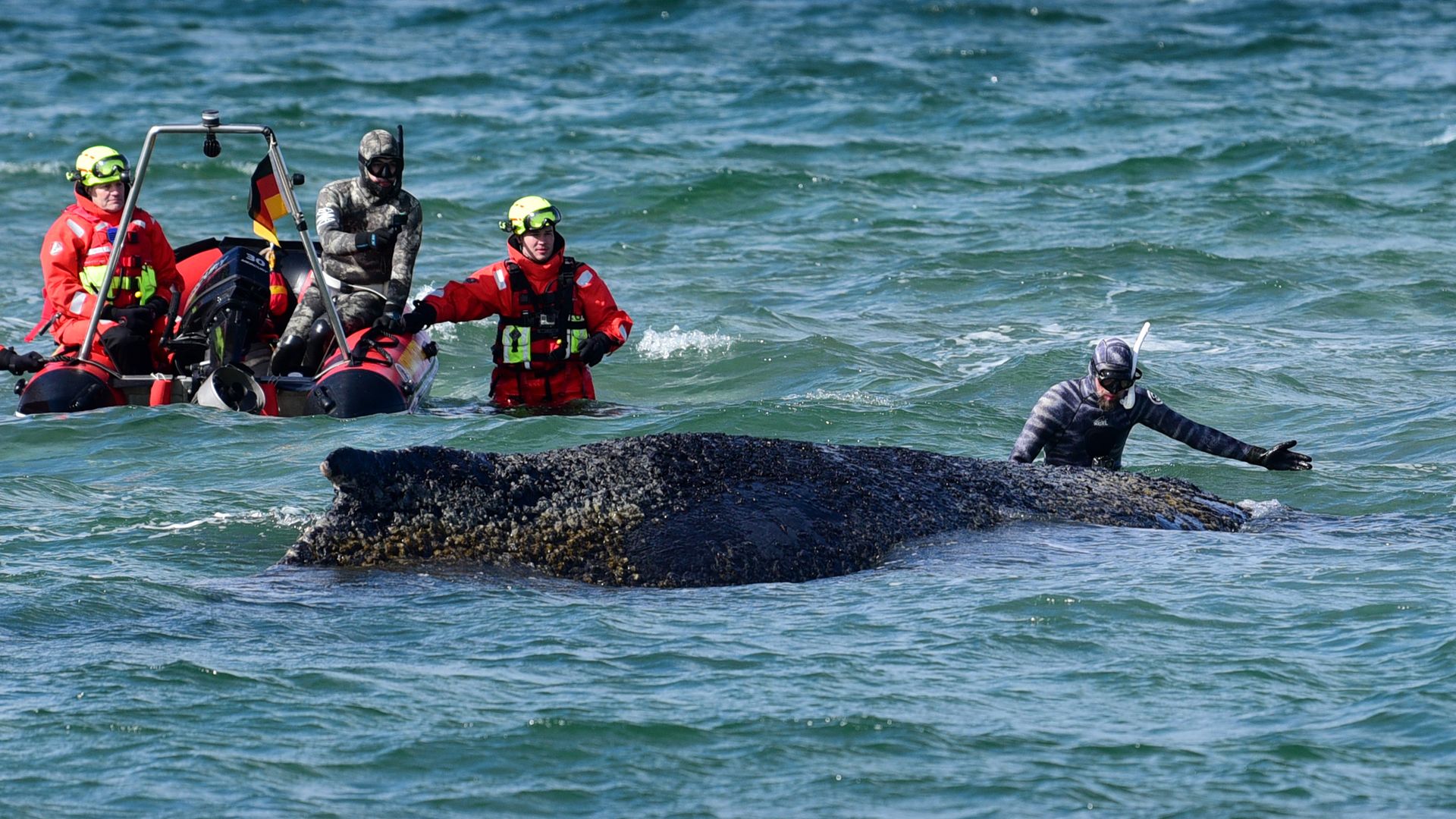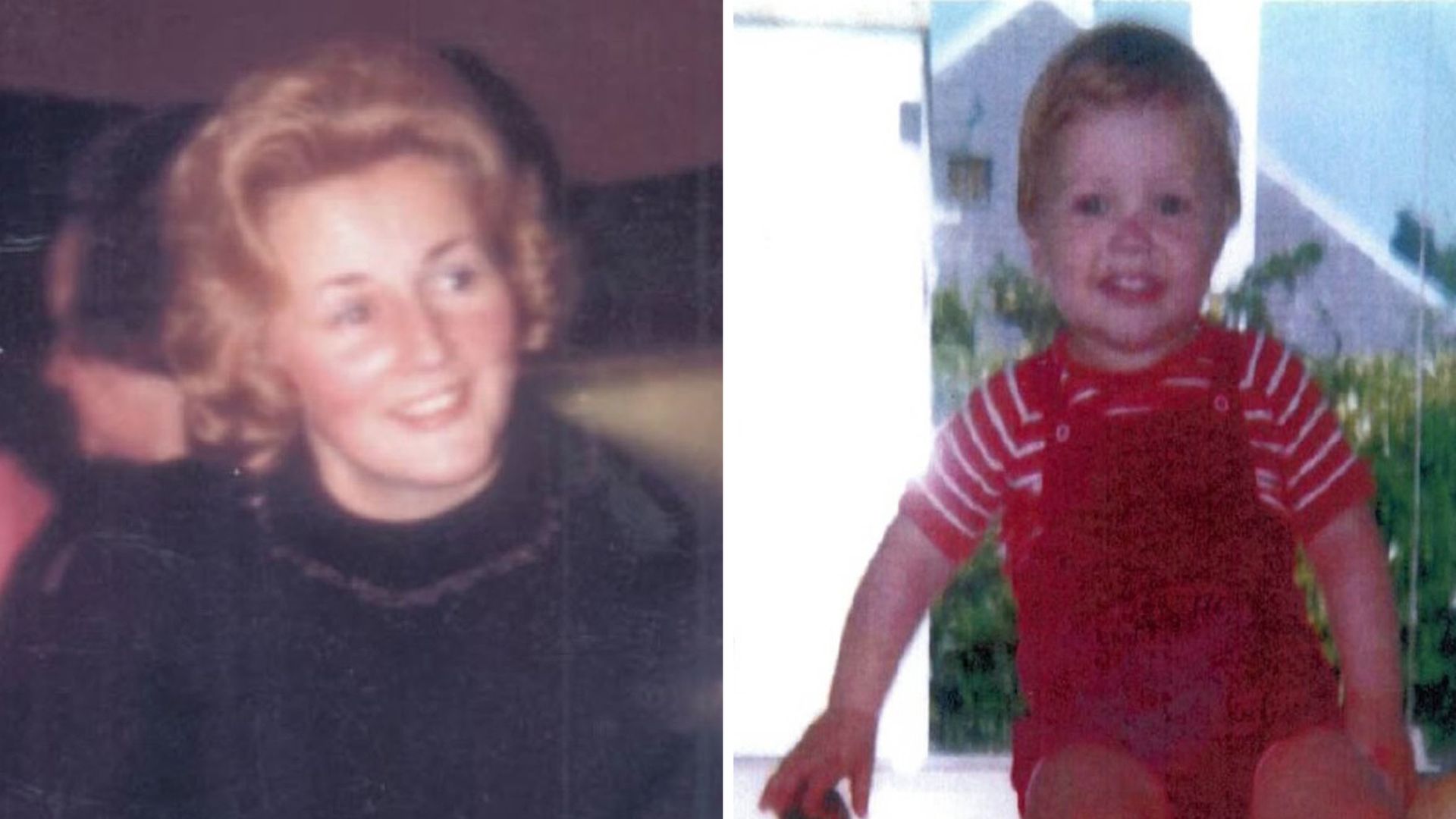
Police and military experts are back in the Highlands. They aren't just looking for clues anymore. They're looking for closure in a case that has haunted Scotland for nearly half a century. The disappearance of Renee MacRae and her three-year-old son, Andrew, in 1976 remains one of the UK's most infamous unsolved mysteries regarding the location of their remains. Even though William MacDowell was finally convicted of their murders in 2022, he took the secret of their final resting place to his grave.
Now, a fresh operation is underway. This isn't a speculative dig based on a hunch. It's a calculated, data-driven effort involving specialized military personnel and forensic analysts. They're combing through findings from recent surveys at a specific site near Inverness. The goal is simple but incredibly difficult to achieve. They want to bring Renee and Andrew home.
The Strategy Behind the Latest Search
You might wonder why it's taken this long to get back into the field. Forensic archaeology has changed. We aren't just talking about people with shovels anymore. The current phase involves analyzing data collected from sophisticated ground-penetrating radar and soil analysis.
Police Scotland is working alongside the military to interpret these results. This partnership is vital because the military brings equipment and topographical expertise that civilian police forces often lack. They're looking for anomalies in the earth that shouldn't be there. A dip in the bedrock, a pocket of disturbed soil that hasn't settled like the surrounding area, or chemical signatures that suggest organic decomposition from decades ago.
It's grueling work. The terrain in the Highlands is unforgiving. Peat bogs can preserve things, but they also shift. Over fifty years, the landscape changes. Roots grow. Floods happen. Construction on roads like the A9 has buried potential evidence under tons of modern tarmac. That’s why the analysis phase is so long. You don't just start digging. You map every square inch first.
Why the Leanach Quarry Focus Matters
For years, the focus was on Leanach Quarry. If you've followed this case, you know the name. It’s a bleak spot. During the original investigation, the site was searched, but the technology of the 1970s was primitive. They missed things.
When the case was reinvestigated in 2019, the scale of the task became clear. Police moved 13,000 tons of material from that quarry. They sifted through every bit of it. While they didn't find the remains then, they found evidence that helped secure MacDowell’s conviction. They found parts of the BMW that had been burned. They found a pushchair wheel. These small, plastic fragments told a story of violence and concealment.
The current analysis is an extension of that persistence. The authorities are narrowed in on specific locations that weren't fully cleared or where new data suggests a secondary burial site. MacDowell was a man who knew that area intimately. He worked for a construction firm. He knew where the earth was being moved. He knew how to hide things in plain sight.
The Challenge of a Dead Killer
William MacDowell died in prison in 2023. He was 82. He spent his final months in a wheelchair, refusing to say a word about where he put the bodies. It was his final act of cruelty. He denied Renee’s sister, Morag, and the rest of the family the one thing they actually wanted.
When a killer dies, the investigation usually cools off. Not here. The conviction of MacDowell was a massive milestone, but the police made a promise. They said they wouldn't stop until they found Renee and Andrew. This new military-backed push proves they're keeping that word.
It's a race against time and nature. Every year that passes makes the biological evidence harder to find. DNA degrades. Bones become brittle or dissolve in acidic soil. But modern forensic science is getting better at finding "phantom" signatures—signals that indicate where a body once was, even if the physical remains are nearly gone.
How Technology is Changing the Hunt
- Multispectral Imaging: Drones can now fly over a site and see things the human eye can't. They look for "stress" in vegetation. Grass grows differently over a burial site, even decades later, because the nutrient levels in the soil are skewed.
- Advanced Geophysics: We're moving beyond basic metal detectors. New sensors can create a 3D map of what lies beneath the surface without moving a single stone.
- Legacy Data Re-Analysis: Sometimes the answer isn't in the ground; it's in the old files. Analysts are using modern software to overlay 1976 maps with 2026 satellite imagery to see exactly how the topography has shifted.
The Human Cost of 50 Years
We shouldn't forget that at the heart of this technical military operation is a family that has been grieving since the Ford Capri was found burning in a lay-by on November 12, 1976. Andrew was just three years old. He'd be a middle-aged man today.
The Highland community hasn't forgotten either. In Inverness, this case is local lore, but it’s also a raw wound. People still talk about the night the car was found. They talk about the sightings of a mystery man. For the investigators, this isn't just a cold case. It's a professional obsession.
The military involvement adds a layer of seriousness. They don't get called in for every missing person case. Their presence indicates that the "findings" being analyzed are significant. They're looking at something specific. Whether it's a new witness statement that finally makes sense when compared to modern maps, or a technical anomaly that was previously ignored, the momentum is real.
The Reality of Forensic Searches
Don't expect an answer tomorrow. This kind of forensic work is slow. It’s boring. It involves hours of staring at computer screens and comparing soil samples. If the analysis confirms a high-probability site, the next step will be a physical excavation.
That excavation will be done with hand tools and brushes. It’s a surgical process. If they find a fragment of bone or a piece of clothing, that’s just the beginning. They have to prove it’s them. They have to link it to the crime.
The police are being tight-lipped about the exact coordinates of this latest search. That's smart. They don't want amateur sleuths or "true crime" tourists trampling over a potential crime scene. They need the site to remain pristine so the evidence—if it’s there—can be extracted properly.
What Happens Next
The analysis is ongoing. The results will determine if a large-scale dig begins in the coming months. If you're following this, watch for news about cordons being set up in areas around Leanach or the A9 corridor.
The best thing the public can do is stay out of the way and let the experts do their jobs. If you have information—even something you think is a small, irrelevant detail from decades ago—report it. Cases like this are often cracked by a combination of high-tech radar and a single, forgotten memory.
The MacRae family has waited long enough. The state is finally throwing its full weight, both police and military, behind the search. It's the least they deserve. The silence from William MacDowell won't be the final word in this story. The earth eventually gives up its secrets. It’s just a matter of looking in the right place with the right tools.
Check local news briefings for updates on the Leanach Quarry perimeter. If the military analysts find what they're looking for, the Highlands might finally be able to close this chapter.