Africa finally got what it deserved. For decades, the continent produced some of the most electric football talent on earth while fighting for a measly five spots at the biggest tournament in sports. The math never made sense. How could a continent with 54 member nations have the same representation as a handful of European countries?
That unfair era ends now. The 2026 World Cup expansion blows the doors wide open, guaranteeing at least nine African nations a place at the table, with a tenth potentially joining through the inter-confederation playoffs.
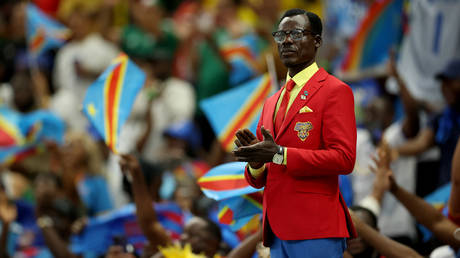
Legendary Cameroonian goalkeeper Joseph Antoine Bell recently called this shift remarkable. He is right. It is a massive victory for equity. But let's look past the initial celebration. This massive expansion is not just a reward. It is an aggressive reality check for African football. The excuse of the "rigged system" is officially gone. Now, the continent has to prove it can turn quantity into historic quality.
Why Joseph Antoine Bell Calls This Expansion Remarkable
Joseph Antoine Bell never minced words during his playing days, and he certainly is not starting now. When you look at the history of the tournament, African teams faced an uphill battle just to get to the starting line. Bell understands the psychological weight of this change. Going from five teams to nine or ten alters the entire narrative of African football.
Think about the traditional giants who missed out on Qatar in 2022. Egypt, Nigeria, Algeria, and Ivory Coast all watched from home. Brilliant players spent their peak years trapped in brutal, unforgiving qualification groups where a single bad bounce meant elimination.
Bell recognizes that this expansion offers structural stability. It means the continent's elite programs do not have to cannibalize each other just to taste the tournament. It provides a safety net that allows project building rather than short term panic coaching. It gives younger squads room to breathe, grow, and fail without destroying an entire generation's international hopes.
The Massive Gap Between Qualification and Competing
Getting to North America is only the first step. The real test is what happens when these nine or ten teams land in Canada, Mexico, and the United States. Morocco shocked the world by reaching the semifinals in 2022, proving that an African team can tactically outmatch the best of Europe and South America.
But Morocco was the exception, not the rule.
Historically, depth has plaguing African campaigns. While the starting eleven of a top tier African side can compete with anyone, the drop-off in the squad depth often shows by the second and third group games. Fatigue, suspension, and minor injuries expose structural flaws.
With nine teams qualifying, we will see debutants and returning nations that haven't tasted global competition in decades. The pressure shifts from the pitch to the boardrooms. African federations are notorious for logistical nightmares, bonus disputes, and late travel arrangements. If these issues persist, sending nine teams simply means multiplying the embarrassment on a grander stage. The world will be watching to see if Africa sends contenders or merely tourists.
Breaking Down the Grueling Road to North America
The qualification format itself is a marathon that tests the absolute limits of these squads. FIFA split the 54 CAF nations into nine groups of six. Only the group winners punch their direct tickets to the tournament. The four best runners-up then enter a playoff, with the winner going to the global inter-confederation tournament for that elusive tenth spot.
This setup means top seeds cannot afford a single off night. We are already seeing massive surprises in the qualification rounds. Traditional heavyweights are dropping points in places they used to dominate.
Traveling across the African continent presents unique logistical hurdles. Teams deal with rapid climate shifts, poorly maintained pitches, and exhausting flight itineraries that often involve multiple layovers because of limited direct routes between African capitals. A team playing in Cairo on a Thursday might have to play in Freetown or Malabo on a Tuesday. The squads that survive this gauntlet will be battle tested, but they risk arriving at the tournament completely exhausted if their sports science and recovery programs aren't world class.
Tactical Evolution and the Homegrown Coach Revolution
For years, African federations fell into the trap of hiring journeyman European coaches. These managers often arrived with little understanding of local football culture, looking for a quick payday before getting sacked after a poor tournament showing.
Thankfully, that trend is dying.
The rise of local tacticians like Aliou Cissé with Senegal and Walid Regragui with Morocco changed the paradigm completely. These men understand the mentality of their players. They know how to blend European tactical discipline with the natural expression, speed, and creativity of African footballers.
To make this 2026 expansion work, federations must invest heavily in local coaching badges and technical directors. The tactics cannot be a poor imitation of European club football. African teams excel when they utilize high pressing, vertical speed, and defensive solidarity, backed by an unbreakable squad chemistry. The extra spots mean more opportunities for local coaches to showcase their tactical minds on the global stage, breaking the old stereotype that Africa produces great athletes but poor tacticians.
What African Federations Must Do Right Now
The celebration needs to stop. The hard work began the moment FIFA confirmed the expansion. If African football wants to capitalize on this historic moment, federations must execute a strict, professional blueprint immediately.
First, fix the infrastructure. You cannot develop world class players on substandard pitches. Federations must work with local governments to ensure stadiums meet modern standards, not just for the senior national teams, but for youth academies.
Second, professionalize the logistics. No more player strikes over unpaid bonuses. No more sleeping in airports because a federation forgot to charter a plane. These amateur mistakes ruin tournaments before the whistle even blows. Contracts and financial agreements must be signed, sealed, and settled months before the tournament kicks off.
Third, maximize the international breaks. Friendlies should not be treated as money spinning exercises against low ranked opposition. African teams need to test themselves against diverse tactical systems from Asia, South America, and Europe. Exposure to different styles of play is the only way to prevent tactical shock when the tournament begins.
The talking is over. The spots are secure. The stage is set for an African football explosion, but only if the continent treats this opportunity with the absolute professionalism it demands.