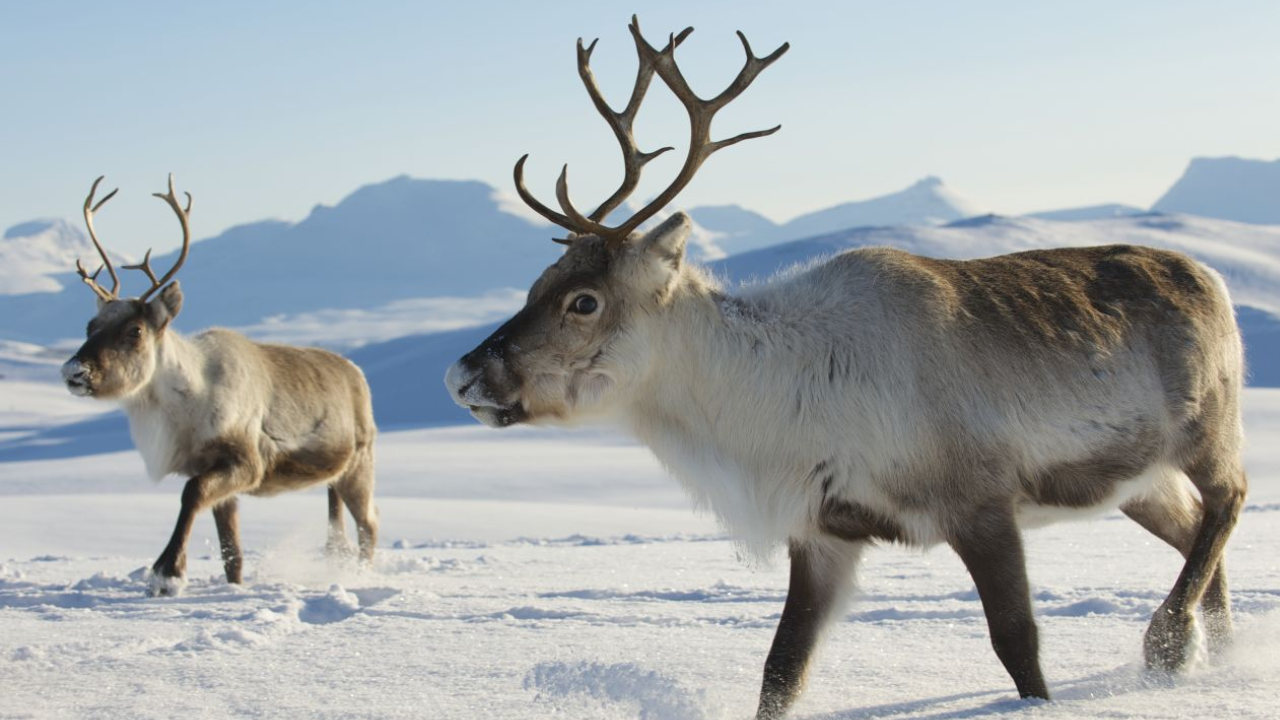
In November 1911, a small group of Norwegian whalers unloaded ten reindeer onto the rugged, ice-chilled shores of South Georgia Island. It seemed like a practical idea at the time. Whaling stations were booming in the remote sub-Antarctic, and the men wanted a taste of home alongside a reliable source of fresh meat. They brought three males and seven females from Hemsedal, Norway, turning them loose at Ocean Harbour.
Little did those whalers know, they were setting off an ecological time bomb.
The Forgotten Herds of the Sub-Antarctic
South Georgia is an extreme place. Towering mountains and sprawling glaciers isolate narrow strips of coastal land. For the imported reindeer, those ice-free coastal plains turned out to be paradise. Free from any natural predators, the small herd multiplied rapidly. Subsequent introductions between 1909 and 1925 added a few more animals into separate pockets of the island.
For decades, the system stayed balanced. While the shore-based whaling industry was active, men hunted the reindeer regularly. That hunting kept the population in check. But the global demand for whale oil collapsed. By the mid-1960s, the whaling stations were abandoned, the human population vanished, and the reindeer were left entirely alone.
When Grazing Turns to Destruction
Without human hunters or predators, the herds exploded. By the early 2000s, biologists estimated that thousands of reindeer crowded the island. Their population density soared far beyond anything seen in their native Arctic habitats.
The consequences for the local ecosystem were devastating. Reindeer heavily consumed native tussac grass and burnet plants. In places, they stripped the ground bare, triggering severe soil erosion on steep slopes. This habitat destruction directly harmed native wildlife. Burrowing seabirds like white-chinned petrels and blue prions lost their nesting sites as the ground collapsed under heavy trampling. Invasive plants quickly moved into the disturbed soil, crowding out what little native flora remained.
Reversing a Century of Ecological Damage
The Government of South Georgia and the South Sandwich Islands faced a tough choice. Leaving the non-native herds in place meant accepting the slow destruction of the island's unique biodiversity. In 2010, officials made the definitive call to completely remove the reindeer.
The eradication campaign launched in 2013. It was an extraordinary logistical challenge. Specialists used a combination of traditional Sami herding methods in flatter terrain and expert marksmen in the rugged, impassable mountains. Teams recovered thousands of kilograms of high-quality meat, distributing it to local restaurants and cruise ships rather than letting it go to waste.
By 2015, the massive operation concluded. Nearly 7,000 reindeer were removed across the island, bringing an end to an unintended century-long experiment in the southern hemisphere. Today, South Georgia's native tussac grass and bird colonies are slowly recovering, proving that some ecosystems simply cannot handle foreign species.