The morning air in the Belgorod border region does not smell like gunpowder at first. It smells like damp earth, burnt diesel, and the faint, copper tang of an approaching autumn that nobody has time to enjoy.
For months, the line on the map has ceased to be a boundary. It has become a wound.
To understand what is happening here, you have to look past the military communiqués. You have to strip away the dry percentages of intercepted projectiles and the sanitized casualty reports published by regional governors. You have to imagine Maria.
Maria is hypothetical, yet she is built entirely from the verified reality of thousands living just miles from the front line. She is seventy-one years old. Her hands are permanently stained with the purple juice of late-summer plums from her orchard. When the air raid sirens begin to wail—a shrill, mechanical screech that cuts through the quiet of dawn—she does not panic. Panic is a luxury for people with choices. Maria simply closes her kitchen window, grabs a pre-packed canvas bag containing her birth certificate, three boxes of heart medication, and a faded photograph of her late husband, and walks down into the cellar.
She has done this forty-two times this month.
Outside, the sky fractures.
The Escalation No One Wanted to Admit
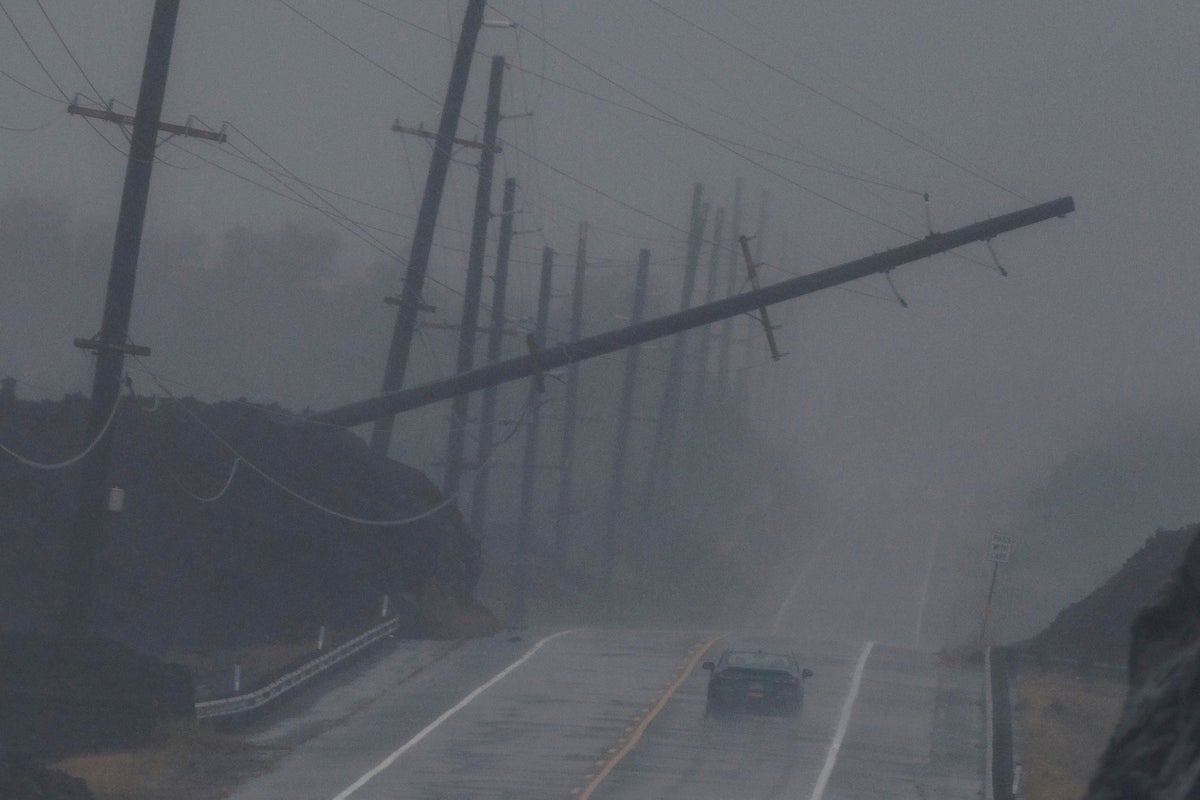
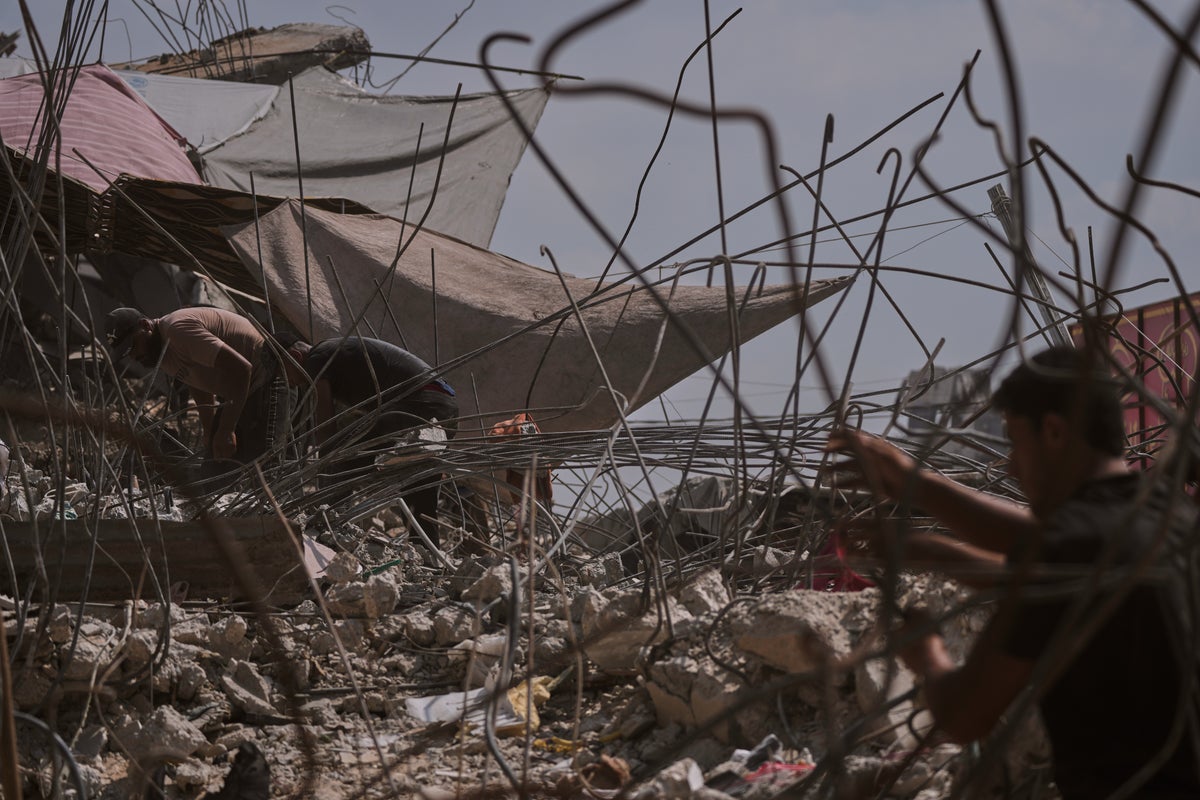
The intensification of attacks across the Russia-Ukraine border represents a grim mathematical escalation. According to regional authorities and verified reports from the ground, the frequency of shelling and drone incursions in Belgorod has accelerated dramatically. Several civilians have been killed in recent strikes, homes have been reduced to jagged concrete skeletons, and power lines have snapped like dry twigs, plunging neighborhoods into sudden, anxious darkness.
This is not a sudden aberration. It is the grim byproduct of a war that has metastasized. As the frontline in eastern and southern Ukraine grinds into a brutal stalemate of mud and trenches, the war has increasingly found a way to reach backward, biting the hands that feed it. Belgorod, sitting directly across the border from Ukraine’s heavily contested Kharkiv region, has transformed from a logistical staging ground into an active combat zone.
Every launch met with a counter-launch. Every strike across the frontier answered by an incoming barrage.
The strategy is transparent to military tacticians, yet agonizing to those caught in its crosshairs. By bringing the war home to Russian border towns, the kinetic pressure is distributed. It forces defensive reallocation. It reminds citizens who previously watched the conflict through the safe, glowing screen of a television that distance is no longer a shield.
But statistics do not bleed. People do.
Consider the physics of an incoming shell. It travels faster than sound. You do not hear it coming until it has already arrived. There is no moral geometry to the shrapnel that tears through a residential courtyard in Belgorod or a neighborhood in Kharkiv. It does not check passports. It does not ask whether the person planting tomatoes in the garden supports a decree or opposes an invasion. It simply shatters bone and brick with brutal indifference.
Living on the Fault Line
I remember the sound of structural concrete giving way. It is a wet, heavy thud that vibrates in the soles of your feet before it ever reaches your ears.
When you live on a fault line, time recalibrates. The future shrinks from decades, to years, to months, and eventually, to the next ten minutes. Neighbors stop talking about next summer's harvest. Instead, they compare the thickness of basement walls. They share intelligence on which grocery stores still have backup generators running and which pharmacies are handing out insulin before the pharmacist has to evacuate.
The emotional toll of this daily lottery is invisible. It does not show up on satellite imagery.
Children learn to identify the caliber of incoming artillery by sound alone, a grim childhood literacy born of necessity. Grandparents sit on park benches with their radios pressed to their ears, listening for the latest updates on air defense activations, their faces carved into masks of permanent vigilance.
This is the hidden cost of escalation. It is the normalization of terror. When air raids become as routine as the morning commute, something essential inside human empathy frays. People either harden into stone or fracture entirely.
Yet, amid the smoke and the sirens, small acts of stubborn humanity persist. A local baker continues to knead dough in a basement lit by a single flickering LED bulb, handing out warm loaves to neighbors who refuse to leave. Volunteers in mismatched camouflage drive battered Lada cars down unpaved roads, delivering bottled water to elderly residents whose wells have been contaminated by debris.
They are holding back the dark with kitchen utensils and whispered encouragement.
The Unseen Horizon
The intensification of strikes in Belgorod is not a turning point that will end the war tomorrow. It is something far more dangerous: a deepening cycle of retaliation that feeds upon itself. Each casualty hardens resolve on both sides. Each ruined block of flats becomes another justification for the next wave of escalation.
There is no clever exit strategy written in the smoke rising above the border. There is only the grinding weight of momentum.
Maria sits in her basement, listening to the muffled thud of the anti-air batteries overhead. She strokes the strap of her canvas bag. She wonders how many plums are rotting on the trees outside, untouched and unharvested, turning sweet and heavy in the autumn heat while the world outside burns.
The sirens will eventually stop. The dust will settle. But the silence that follows will never truly be quiet again.