Every single time a hiker drops dead on a Hong Kong trail while the mercury creeps past thirty-five degrees, the media script is depressingly identical. The headlines scream about record-breaking heatwaves, relentless humidity, and the cruelty of subtropical summers. Experts trot out the same tired safety checklists: drink more water, wear a wide-brimmed hat, turn around before you overheat.
It is comfortable, lazy reporting. And it is completely wrong.
Blaming the weather for trail fatalities is a convenient dodge. It absolves hikers of poor planning, romanticizes the dangerous weekend-warrior culture sweeping urban populations, and misdiagnoses a systemic crisis of ego as an act of meteorological God. The weather did not kill that hiker on the trail. Stubbornness, profound physiological illiteracy, and a complete failure of risk assessment did.
I have spent two decades managing emergency response logistics in high-risk environments and watching weekend trekkers treat brutal sub-tropical topography like a Sunday stroll in a controlled park. I have watched otherwise intelligent professionals ignore every warning sign their central nervous system fires off, all because they refuse to admit defeat to a hill.
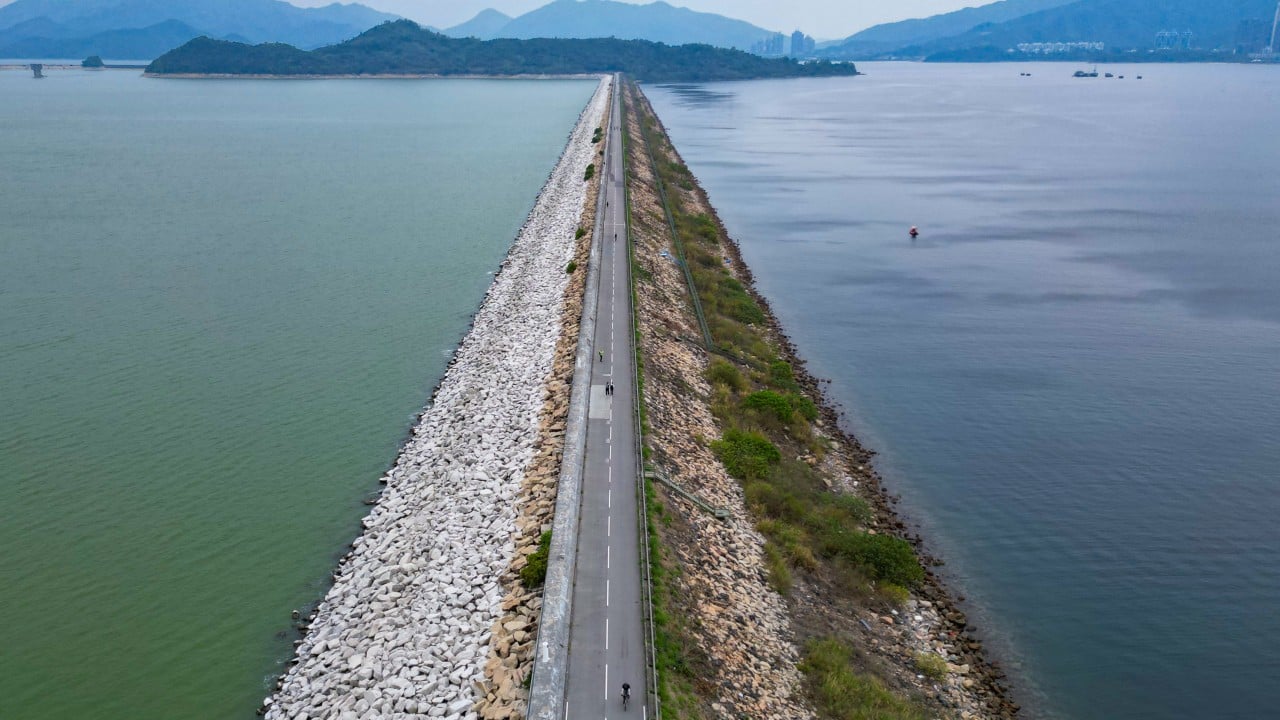
Let us dismantle the comfortable narrative and look at what is actually happening out there on the asphalt and dirt paths of the New Territories.
The Myth Of The Heatwave Executioner
The lazy consensus is that high temperatures alone create a lethal environment. People look at a thermometer reading of thirty-eight degrees Celsius with high humidity and assume human physiology simply dissolves.
That is not how exertional heat stroke works.
Heat stroke is rarely a sudden lightning strike from the sky. It is a slow, cumulative accounting error. The human body is a magnificent cooling machine, provided you give it the operational parameters it requires. When a hiker collapses and dies, it is almost never because the air temperature crossed an arbitrary threshold. It is because the individual completely ignored the compounding math of solar radiation, internal metabolic heat production, and dehydration-induced blood volume depletion.
People treat hiking like a consumption activity. They buy the gear, pack the hydration bladder, check the weather app, and assume technology and equipment act as a force field against biology. They do not. Your sweat rate does not care that you bought a four-hundred-dollar carbon-fiber trekking pole. If your sweat evaporation rate drops to zero because the humidity is trapped in a deep ravine with zero airflow, your core temperature is going to spike whether you are wearing a sun-hoodie or a bikini.
The real culprit isn't the heatwave. It is the absolute refusal of modern urbanites to turn around.
The Urban Ego Trap
Hong Kong presents a unique psychological trap for outdoor enthusiasts. You can leave an air-conditioned skyscraper, step onto a metro, and be at the base of a grueling ridgeline like Dragon's Back or MacLehose Trail Section Two within forty minutes.
This hyper-accessibility creates a dangerous cognitive dissonance. Because the city feels modern, manicured, and safe, people subconsciousy project those same safety assumptions onto the wild. They treat a technical, unshaded, jagged mountain ridge with the same casual attitude they bring to a shopping mall.
When the temperature climbs, the smart move is turning around at kilometer two. But the urban ego kicks in. You came all this way. Your friends are watching your fitness app updates. You have a target peak to bag. So you push through the early warning signs: the slight flush in the face, the cessation of sweating, the subtle headache that signals your brain is starting to cook.
By the time you feel dizzy, you are already past the event horizon.
I have seen seasoned executives who would never dream of running a server farm past capacity throw logic out the window the second they lace up trail running shoes. They treat physical discomfort as a moral failing rather than a biological alarm. They think sweating it out builds character. In reality, it builds rhabdomyolysis and multi-organ failure.
The Hydration Fallacy
Let us address the holy grail of trail safety advice: drink more water.
Every safety brief insists you carry three liters of fluids. So hikers pack heavy bladders, chug ice-cold water every ten minutes, and congratulate themselves on staying hydrated. And then they collapse anyway.
Why? Because drinking water alone in extreme heat and humidity is like bailing water out of a sinking boat with a sieve while ignoring the gaping hole in the hull.
When you sweat profusely for hours, you aren't just losing water. You are flushing critical electrolytes, specifically sodium, out of your extracellular fluid. If you dump liters of pure, unmineralized water into your system to replace sweat, you dilute your blood sodium levels further. You invite hyponatremia—water intoxication—which mimics heat exhaustion with symptoms like confusion, lethargy, and seizures, eventually causing brain swelling.
The media never talks about this nuance because it ruins the simple narrative. "Drink water" fits on a graphic tile. "Balance your electrolyte intake relative to sweat-sodium concentration while monitoring your gastrointestinal absorption limits" does not. But the latter keeps you alive.
The Real Rules Of Engagement
If we want to stop writing obituaries for weekend hikers, we have to throw out the platitudes and adopt a ruthless, data-driven framework for surviving extreme environments.
First, stop scheduling your hikes around convenience and start scheduling them around thermal stress indices. Looking at the air temperature is amateur hour. You need to evaluate the Wet-Bulb Globe Temperature, which accounts for ambient temperature, relative humidity, wind speed, and solar radiation. When the WBGT crosses critical thresholds, the trail is closed to unacclimatized bodies. Period. Treat it like a flash flood warning.
Second, reframe turning around as a tactical victory. In mountaineering, summiting is optional; getting down alive is mandatory. Urban trail culture needs to adopt this exact ethos. If you are fifty percent through your water supply and only twenty-five percent through your route, your day is over. Turn your heels around. The mountain will still be there next week. Your vital organs, unfortunately, might not be.
Third, adjust your pace to the climate, not your ego. Humidity destroys the body's primary cooling mechanism because sweat cannot evaporate into saturated air. This means your heart rate will skyrocket at a much lower work output than it would in a dry, cool climate. If you try to maintain your normal pace in July in Hong Kong, your cardiovascular system will stage a mutiny. Slow down by half. If you feel ridiculous moving that slowly, good. That means you are finally respecting the physics of the environment.
The Cost Of Comfort
We live in an era that tries to sanitize every natural risk. We pave trails, install rails, put up warning signs, and expect nature to conform to our comfort levels. When it bites back, we act surprised. We blame the heat. We demand better weather warnings.
Nature doesn't negotiate with your schedule, and it doesn't care about your fitness tracker goals.
Stop looking at the thermometer for permission to stay safe. Stop assuming your gear makes you invincible. And stop treating a hike like a test of moral endurance.
Pack less ego, monitor your chemistry, and remember that the smartest person on the trail is always the one walking back down to the air-conditioned streets while they still have the strength to do it on their own two feet.