Civil unrest does not materialize from amorphous discontent; it follows structural vectors defined by economic friction, generational bottlenecks, and institutional inelasticity. When youth-led demonstrations in France collide with state apparatuses over pension reforms or structural inequalities, and when these dynamics are cross-referenced with judicial accountability movements like India's CJP mobilization, observers frequently misinterpret the phenomena as isolated cultural outbursts. They are instead manifestations of a systemic pressure valve failure.
The primary driver is the friction between rising cost-of-living burdens and stagnant generational mobility. In modern centralized states, policy decisions regarding labor protections and retirement thresholds act as immediate shocks to the working and student classes. Because students face deferred returns on educational investments against a backdrop of declining real wages, their tolerance for institutional friction approaches zero. When the state responds with kinetic policing or preemptive judicial measures, the interaction transforms from a policy dispute into a legitimacy crisis.
The Cost Function of State Suppression
States facing widespread civil disobedience operate under a specific resource constraint known as the containment threshold. Maintaining public order requires deploying police units, incurring infrastructure damage, and absorbing the economic drag of disrupted commerce. However, over-reliance on kinetic intervention produces diminishing marginal returns. Each arrest or instance of tactical escalation increases the recruitment pool for the opposition by validating grievances regarding authoritarian overreach.
The mechanics of this escalation follow a predictable sequence.
- Policy Shock: The state introduces a reform perceived as a direct reduction in long-term welfare or civil protections.
- Mobilization: Affected cohorts organize through decentralized digital networks, bypassing traditional union or political intermediaries.
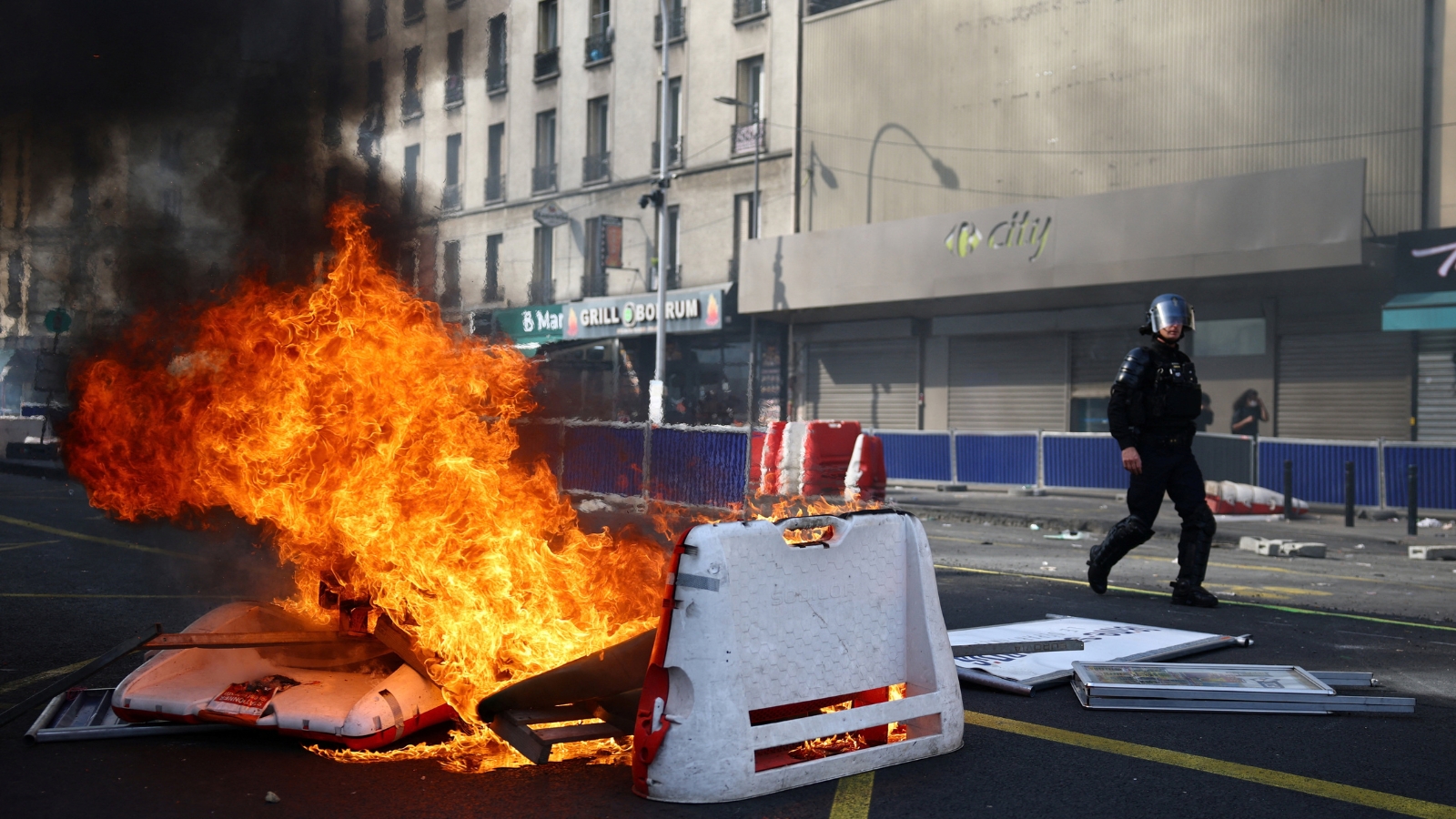
- Tactical Friction: Street-level clashes occur, forcing municipal security forces to deploy containment tactics.
- Institutional Hardening: The judicial branch steps in to process arrests, triggering parallel debates over due process, executive overreach, and civil liberties.
When analyzing parallel movements across different geopolitical landscapes, such as India's civil rights defense initiatives spearheaded by legal advocacy groups, the operational mechanics shift from street-level disruption to institutional litigation. Yet the underlying variable remains identical: the citizen-state contract under stress.
Comparative Mechanics of Institutional Pushback
Contrasting street mobilization in Western Europe with judicial and advocacy-driven resistance in South Asia reveals two distinct modalities of systemic pushback. The French model relies on physical occupation, labor strikes, and direct confrontation with municipal authorities to force legislative concessions. This strategy exploits the immediate vulnerability of urban infrastructure and economic flow.
Conversely, advocacy models focus on judicial bottlenecks. By systematically challenging administrative overreach through public interest litigation and documentation, these movements weaponize procedural law against state enforcement agencies. The cost function here shifts from physical riot control to legal defense expenditure and reputational damage within international regulatory frameworks.
Neither approach operates in a vacuum. Both are constrained by media framing, police discretion, and the fiscal health of the central government. When state revenues contract, tolerance for public disruption narrows, leading to harsher legislative penalties and accelerated judicial processing of detainees. This creates a feedback loop where suppression breeds further resistance, driving both actors toward institutional extremes.
Strategic Outlook
Navigating these friction points requires examining structural reforms rather than tactical policing adjustments. States that fail to build institutional safety valves for youth mobility and legal redress will continue to experience episodic shocks. The long-term trajectory depends on whether governing bodies treat civil unrest as a law enforcement failure or as an indicator of structural market failure. Resolution requires adjusting the baseline economic variables that generate the initial pressure, rather than merely upgrading the machinery of containment.