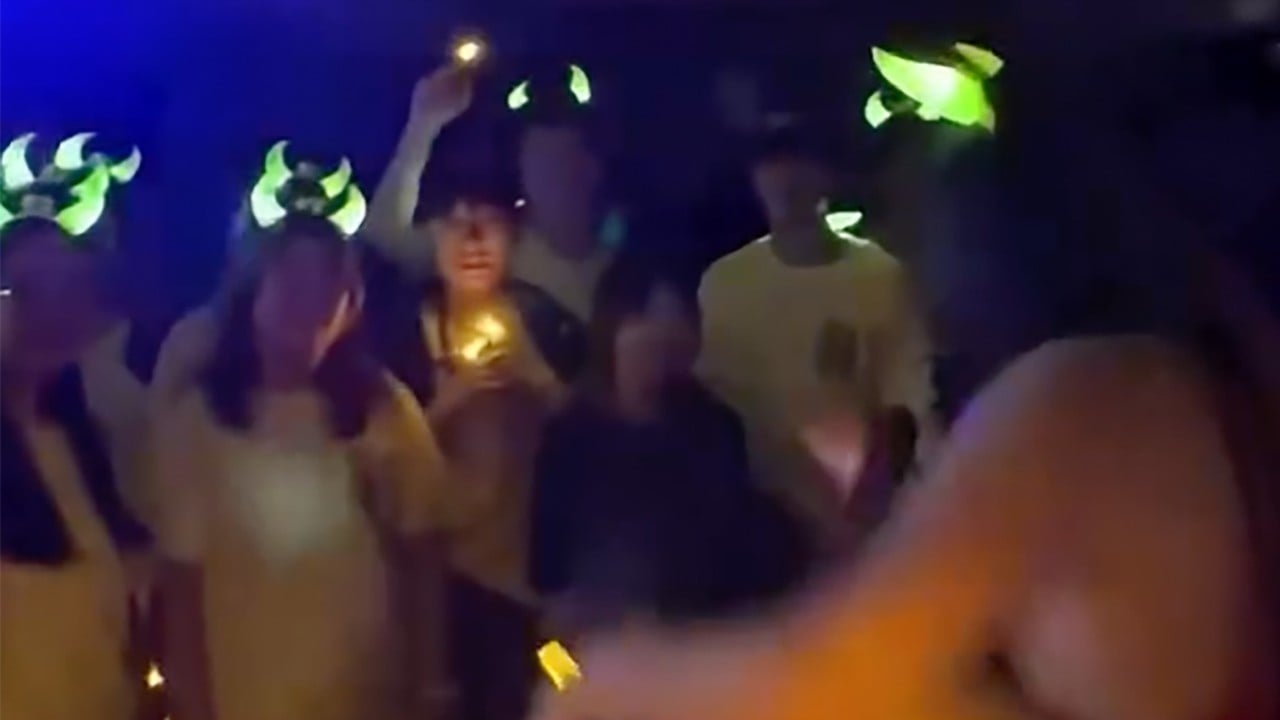
Every time a university orientation video leaks and shows students doing something vaguely physical or mildly unhinged in a darkened room, the institutional playbook unspools with clockwork precision. The administration issues a statement expressing profound disappointment. A zero-tolerance investigation is launched. Pearls are clutched from administration buildings to op-ed columns.
Everyone acts shocked that eighteen-year-olds freed from parental oversight for the first time are acting like eighteen-year-olds.
I have watched institutions burn millions of dollars managing public relations crises over student parties that look remarkably similar to the ones administrators attended themselves a few decades prior. The lazy consensus says we need stricter oversight, tighter codes of conduct, and more chaperone vigilance. That perspective misses the point entirely. The panic over orientation discos is not a sign of moral decay on campus. It is a symptom of a university system terrified of its own shadow, punishing students for engaging in the oldest rite of passage known to higher education: peer-driven chaos.
Orientation is supposed to be destabilizing. The entire structural point of removing adolescents from their domestic environments and packing them into crowded dorms is to fracture their prior identity and force them to build a new one. When you sanitize that process, turning it into a sterile series of icebreakers supervised by humorless student affairs coordinators holding clipboards, you do not create a safer environment. You create a fragile one.
The Sanitization Trap
Universities love to market themselves as crucibles of critical thinking and radical inquiry, yet they treat freshman orientation like a kindergarten playdate. They draft policies of absolute compliance and zero risk, treating any deviation from pristine decorum as a systemic failure.
This is backward. Risk calibration is a vital developmental milestone. When administrators launch probes into disco nights because someone danced too closely or a strobe light illuminated an awkward physical configuration, they are teaching students a terrible lesson: that institutional compliance matters more than social navigation.
Look at the mechanics of these investigations. A short clip circulates on social media stripped of context. Outrage algorithms do what they do best. The university public relations department panics, fearing a drop in application metrics or donor backlash. They announce a zero-tolerance probe to appease the digital mob, sacrificing common sense on the altar of brand protection.
I have sat in rooms where risk management consultants advise university presidents on how to insulate the institution from liability. The advice always boils down to one word: eradication. Eradicate ambiguity. Eradicate unstructured socialization. Eradicate anything that cannot be neatly summarized in a liability waiver.
The hidden cost of this risk aversion is severe. By eliminating the messy, unstructured social friction of early university life, we are graduating cohorts of adults who panic when faced with social ambiguity. They do not know how to read a room, set a boundary, or navigate a awkward interaction without escalating it to an authority figure.
The Myth of Safe Spaces for Everyone
The underlying justification for these crackdowns is always student safety. It is a powerful word, difficult to argue against without sounding like a callous reactionary. But safety has become a catch-all term for discomfort avoidance.
There is a vast gulf between actual harm and psychological discomfort. A crowded room with loud music, flashing lights, and hormonal teenagers is objectively chaotic. It can be overwhelming. It can be cringe-worthy. It is rarely safe in the sense of a padded cell, but life outside a university bubble is not safe either.
When a university investigates a routine dance party, they are treating consenting young adults as if they possess zero agency. They are infantilizing the very population they claim to be empowering. If students cannot be trusted to navigate a disco night without an administrator monitoring the decibel levels and choreography, how are they supposed to handle contract negotiations, geopolitical conflict, or complex professional ethics three years later?
The institutional obsession with zero-tolerance policies creates a chilling effect. Students learn quickly that self-censorship is the price of admission. They stop organizing spontaneous events. They stop gathering in large groups unless sanctioned by an official student union committee. They retreat into digital isolation, scrolling through feeds in their single dorm rooms because stepping outside risks triggering a disciplinary investigation.
We are curing the disease by killing the patient.
What Actually Works
If we want healthier campuses, we need to stop treating students like liabilities and start treating them like participants in an adult community. That requires a radical shift in how we handle institutional missteps.
First, scale back the PR panic. When a video of a rowdy party surfaces, the default institutional response should be silence or a simple recognition that youth culture is loud, messy, and occasionally embarrassing. Not every bad dance move requires a tribunal.
Second, distinguish clearly between misconduct and poor taste. A disco night where people are dancing awkwardly or engaging in standard-issue college high jinks does not warrant the same administrative machinery as actual harassment or assault. Conflating the two dilutes the seriousness of real offenses and makes a mockery of student discipline.
Third, push the boundaries of peer accountability. Instead of top-down policing by terrified administrators, empower student groups to govern their own spaces. When students are responsible for the cultural norms of their communities, they develop the social muscle memory required to course-correct in real time.
The next time an orientation video triggers a moral panic, remember what you are actually looking at: the sound of a generation trying to figure out how to be human in a world that demands perfection. Let them dance.