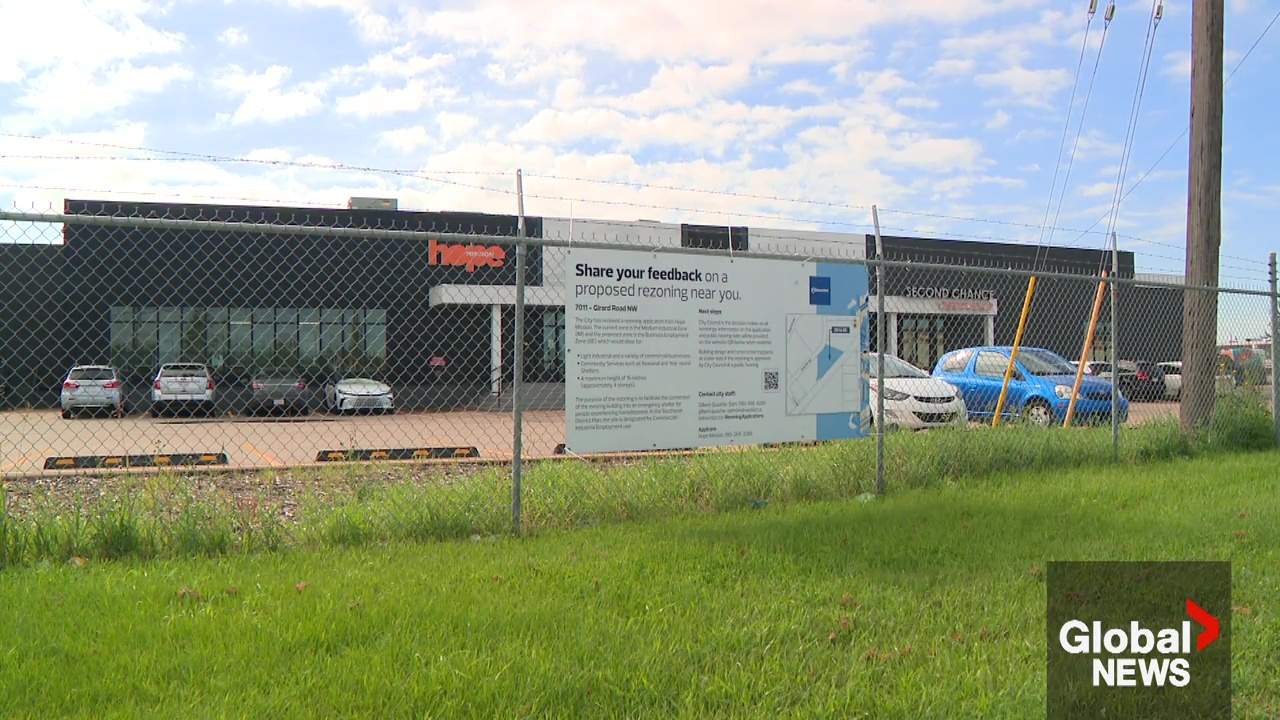
Edmonton is shaking up how it handles its housing crisis. Instead of cramming every single support service into the downtown core or Chinatown, the city is pushing facilities outward. City council just greenlit a major rezoning application allowing the Hope Mission to open a 120-bed, 24/7 shelter in a southeast industrial pocket near Argyll Road and 75 Street.
It is a polarizing move. If you live or run a business in south Edmonton, you are probably wondering what this means for your neighborhood. Let us break down why this decision happened, what the actual plan looks like, and why decentralizing shelters is sparking massive debates across the city.
The Reality Behind the Southeast Edmonton Shelter Approval
For years, the playbook for emergency housing in Edmonton was simple: centralize everything downtown. That strategy created hyper-concentrated pressure zones, leaving neighborhoods like Chinatown straining under the weight of social disorder.
The Hope Mission wants to change that. They tested a decentralized model two years ago by opening a facility near Yellowhead Trail and 149 Street in the city's northwest. According to Hope Mission operators, that location successfully reached vulnerable individuals who refused to travel downtown for help.
Buoyed by that outcome, the organization applied to rezone its existing warehouse and logistics building on Girard Road from a medium industrial designation to a business employment zone. Following a public hearing that stretched across multiple sessions, city councillors voted to approve the change. The goal is to get the 120-bed space operational before winter temperatures hit.
Why Local Businesses Are Pushing Back
You cannot talk about this approval without addressing the backlash. Business owners operating near the new site did not stay quiet during the public hearings.
Representatives from nearby commercial properties, industrial firms, and hospitality groups voiced sharp concerns. Their worries boiled down to a few core issues:
- Safety and Crime: Fears that increased foot traffic and social disorder will spill over into commercial parking lots and private properties.
- Industrial Zoning Mismatches: Arguments state that heavy truck traffic, active warehouses, and manufacturing yards do not mix safely with a 24/7 residential population experiencing homelessness.
- Surrounding Amenities: Critics pointed out that the immediate vicinity includes venues like casinos and liquor vendors, which could create a difficult environment for individuals struggling with addiction recovery.
Coun. Mike Elliott admitted during the council session that he wrestled heavily with the decision, noting that while nobody naturally wants more shelters popping up near their operations, the citywide demand for beds forces difficult compromises.
How Decentralization Changes Urban Support Systems
The broader strategy relies on spreading resources out so people can access help closer to where they already are. Planners argue that forcing someone from the south side to travel across the entire city just to find a warm bed creates an unnecessary barrier to survival.
The approved Girard Road facility will not just be a place to crash for the night. The blueprint includes round-the-clock staffing, meal provisions, integrated healthcare access, and transportation support. By wrapping these services into an established operational hub—which currently houses administrative spaces and a thrift shop—the Hope Mission aims to create a self-contained ecosystem.
Even so, zoning approvals are only the first hurdle. The organization still has to navigate standard building permit approvals and local development conditions before doors open to clients.
If you own property or manage a business in the southeast industrial zones, keep a close eye on the city's development portal for upcoming compliance hearings and community liaison meetings. Real change in urban infrastructure always brings friction, and staying informed is your best defense against unexpected neighborhood shifts.