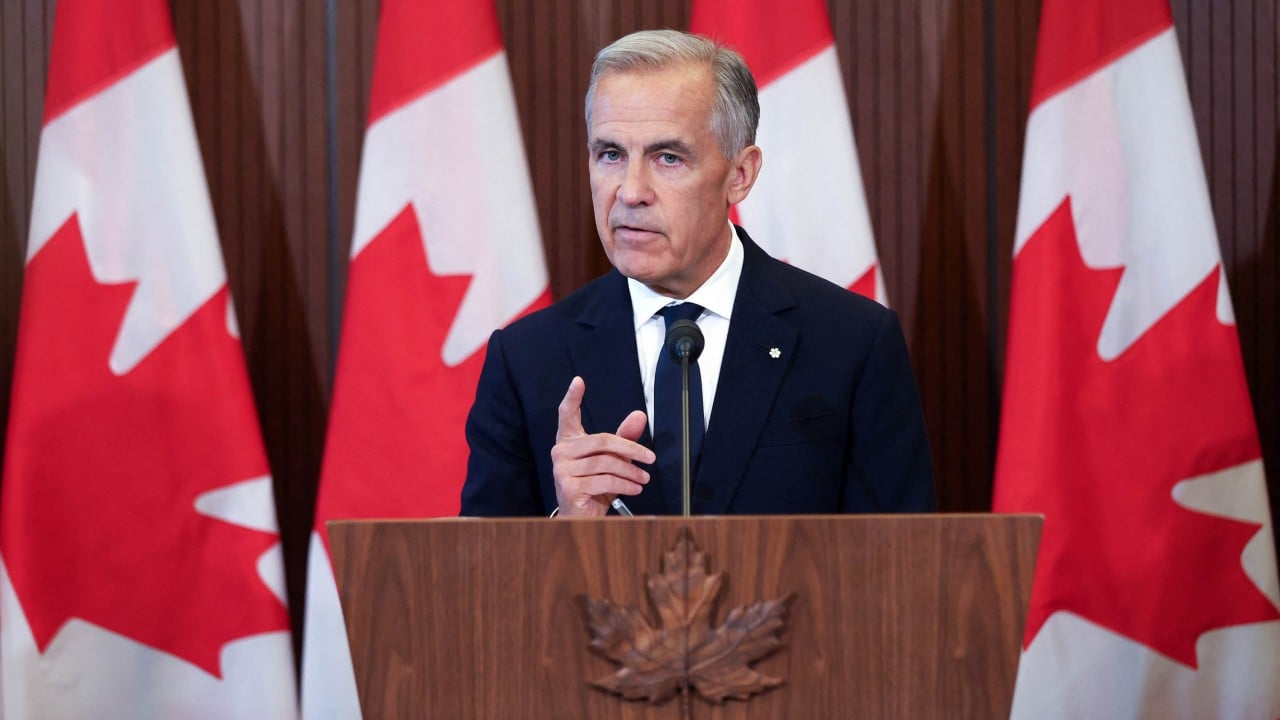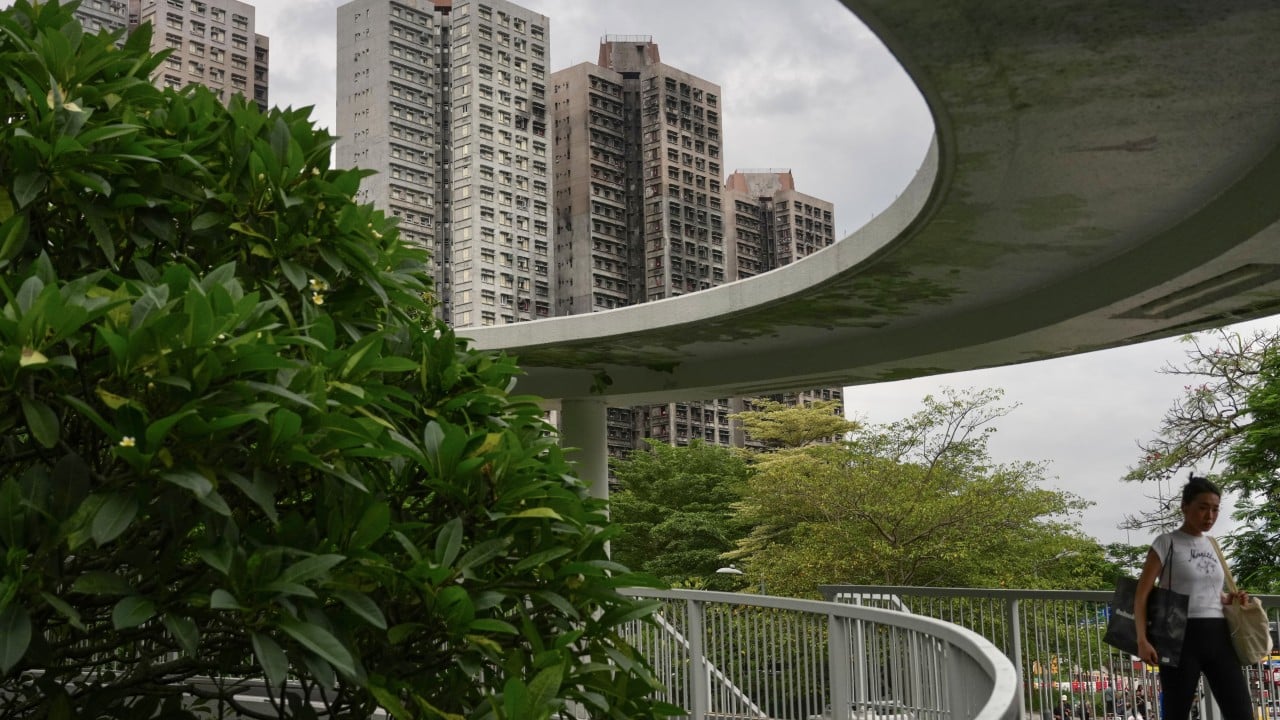
The hard mathematical ceiling of urban tragedy has arrived in Tai Po. Deputy Financial Secretary Michael Wong drew a definitive line in the sand, confirming that the administration will not extend the August deadline for the multi-billion-dollar Wang Fuk Court buyback scheme.
Nearly ninety-five percent of property owners have submitted their letters of acceptance as the clock runs down, leaving a stubborn fraction of holdouts weighing their options against an immovable bureaucratic wall.
This is not merely a bureaucratic deadline. It is a high-stakes collision between administrative expediency and the chaotic property laws governing Hong Kong's aging housing stock.
The Anatomy of a Forced Consensus
When the government announced its HK$6.8 billion rescue package earlier this year, it bypassed years of tangled civil litigation by offering a direct exit. Owners could surrender their titles for cash—ranging from HK$8,000 to HK$10,500 per square foot—or roll those funds into a special sales exercise featuring thousands of subsidized flats.
For most, the math was brutal but clear. Staying put meant waiting a decade for site redevelopment or wrestling with a ruined property asset stripped of liveability.
Yet a small cluster of owners hesitated. Some wrestled with sentimental attachment, while others confronted a complex web of unliquidated insurance claims. Under the terms of the buyout, transferring property titles to the government also transfers the rights to the estate's massive structural insurance payouts.
For months, insurers maintained that liability from the devastating fire could not be fully assessed until independent inquiry findings were made public. Owners were asked to sign away their claims before knowing the true value of what they were surrendering.
Officials have little patience for these remaining pockets of resistance. Opening a window for latecomers would stall the entire resettlement machinery. Ten distinct housing projects involving thousands of units are currently queued for the special sales exercise.
Delaying the Wang Fuk timeline by even a month disrupts the delicate sequencing of flat selections, throwing housing allocation schedules into disarray for hundreds of families who have already complied.
The Policy Precedent and Its Discontents
Critics often frame state buyouts as magnanimous gestures. Beneath the surface, they function as emergency circuit breakers designed to prevent protracted legal rot from contaminating the wider property market.
When a private housing estate suffers a catastrophic systemic failure, the traditional mechanisms of building management break down entirely. Owners cannot form a quorum, management companies abandon their posts, and banks freeze mortgages.
The administration stepped in because leaving the estate in limbo posed a threat to public confidence in homeownership schemes. Yet this intervention creates an uneasy precedent.
By taking ownership and absorbing the legal fallout, the government effectively socializes the tail risk of private structural neglect. Taxpayers foot a multi-billion-dollar bill to untangle a disaster born from lax maintenance, oversight failures, and vulnerable building management frameworks.
For the holdouts watching the August calendar empty out, the choice is stark. They can accept the state's valuation and enter the lottery for a fresh start, or they can stand on principle and risk being stranded in an administrative vacuum.
The machinery of the state does not wait for the last signature when the public interest demands motion. Flat selection is slated to begin in weeks, turning the final pages on an estate that defined a dark chapter in urban safety.
The deadline stands, and the doors are closing.