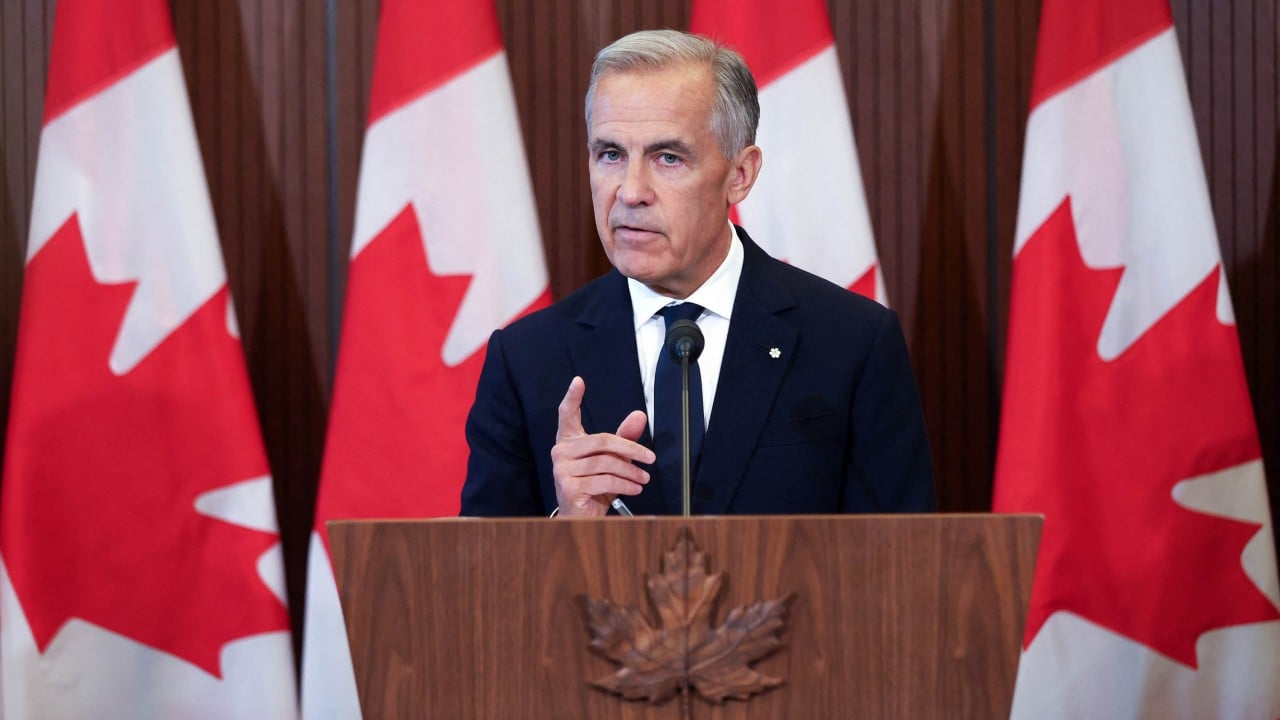
Malaysian politics rarely stands still for long. Prime Minister Anwar Ibrahim took office promising institutional reform, economic relief, and a definitive break from decades of entrenched corruption. Yet, the ground is shifting beneath his feet. Growing public frustration over stubborn living costs and unfulfilled policy promises is pushing disgruntled voters to look elsewhere. A potent alternative current is rising to challenge the status quo, and it threatens to upend the traditional political equations in Putrajaya.
If you look closely at recent regional polls, the warning signs are hard to miss. Anwar's Pakatan Harapan coalition has faced severe setbacks, shedding crucial ground in state contests like Negeri Sembilan and Johor. Voters who once viewed the administration as the ultimate vehicle for democratic renewal are now expressing deep fatigue. This isn't just standard mid-term blues. It points to a structural fracture in the electorate, creating fertile ground for a third force to siphon away vital support.
The Cost of Compromise and High Expectations
When Anwar assumed power, the expectations were impossibly high. Decades spent in opposition fighting against systemic patronage made his supporters believe that sweeping changes would arrive overnight. Governance, however, requires messy coalitions. To secure and hold power, Anwar partnered with historical rivals like Barisan Nasional, forcing compromises that alienated progressive hardliners.
Voters notice these compromises. When economic pressures bite hard—driven by inflation, subsidy rationalization, and a volatile currency—people look for someone to blame. The administration's efforts to balance fiscal responsibility with populist demands have left many feeling shortchanged.
- Urban liberals feel stalled by slow institutional reforms.
- Rural and working-class communities struggle with everyday expenses.
- Fence-sitters grow weary of endless political maneuvering.
This discontent creates an opening. When traditional parties fail to capture the imagination of a frustrated public, alternative political movements step into the vacuum.
Where Does the Third Force Go From Here?
Building a viable alternative in Malaysia's deeply entrenched political landscape is notoriously difficult. Historically, third forces struggle against the massive machinery of established coalitions. Yet, voter volatility changes the math. Disillusionment with both the ruling bloc and the conservative opposition Perikatan Nasional leaves millions of ballots up for grabs.
The challenge for any emerging third voice is to offer concrete solutions rather than simple protest rhetoric. Voters are smarter than politicians think. They remember past broken promises and demand clear, actionable policies on job creation, cost-of-living adjustments, and systemic transparency.
Anwar still has time to alter course, but the window is closing fast. Ignoring the rumble of grassroots anger will only accelerate the rise of alternative challengers. Watch the upcoming regional dynamics closely, because the next electoral shockwave might already be forming in the shadows of public discontent.
Malaysia's Anwar tells his party there is no turning back amid electoral setbacks - This video provides context on Prime Minister Anwar Ibrahim's political strategy and internal party responses following recent electoral challenges.