The front door of a home is supposed to be a sanctuary. It is a wooden boundary that separates the chaos of the outside world from the quiet safety of family life. But when that door opens to return a child who was once taken away, the relief is not a celebration. It is a quiet, trembling breath taken in a room still heavy with absence.
Imagine the small pair of shoes left sitting by the entryway for months. (And yes, this is a literal image of the physical weight of waiting.) The laces are tied just as they were left. The jacket still hangs on the lower hook, catching the afternoon light. When a mother in British Columbia finally hears the click of the lock and sees her son step back across that threshold, the physical reunion happens in an instant. The legal and emotional fallout, however, stretches out into an infinite, suffocating gray.
The child is back. The ministry is silent.
That is the entire, maddening contradiction at the heart of the system designed to protect families. In British Columbia, the Ministry of Children and Family Development holds immense, unilateral power. They can step into a life, alter its trajectory, and rearrange a child's universe based on assessments, risk thresholds, and internal protocols. Yet when the state decides that the crisis has passed—or perhaps realizes the intervention was an overreach—and hands the child back, the machinery of government goes dark.
Phones ring into empty voicemails. Emails bounce against automated out-of-office replies. Questions about why the separation happened in the first place, who authorized it, and what records will follow this family into the future are met with a brick wall of bureaucratic indifference.
Doors close. Files gather dust.
To understand why this dynamic feels so uniquely cruel, you have to look past the cold legal definitions of custody and wardship. You have to look at the nervous system of a parent under surveillance. When the state takes a child, it initiates a profound psychological trauma. The home is rendered a crime scene of suspicion. Every routine is scrutinized. Every meal, every bedtime story, every raised voice is logged as potential evidence.
When the state exits, it leaves behind a ghost.
The mother in question—like so many others caught in the cogs of child welfare bureaucracy—did not receive an apology. She received her son. Which sounds like a victory, except victory implies a war with a clear winner. This was a siege. And now that the soldiers have packed up their tents and vanished over the horizon, the family is left standing in the ruins, expected to rebuild without a blueprint or an explanation.
Why does the ministry refuse to answer questions once a child is returned?
The institutional answer is a shield of privacy laws and liability management. Government agencies operate under the perpetual fear of litigation. Every word written down, every admission of administrative error, every clarification provided to a parent could theoretically be used in a future legal challenge. So, lawyers advise silence. Bureaucrats retreat behind closed doors. The system protects itself first, the child second, and the family last.
It is a backwards hierarchy of care.
Consider how any other professional service operates. If a mechanic returns your car, they explain what went wrong under the hood. If a surgeon discharges you from a hospital, they provide discharge notes detailing the procedure and the recovery path. But when the state handles the most fragile, sacred ecosystem in human society—the bond between a parent and a child—it claims the right to disrupt that bond on a whim and return it with zero accountability.
Silence is not neutrality. Silence is an exertion of power.
When a mother asks why her son was taken and receives only a blank stare or a bureaucratic deflection, the message is clear. The power imbalance remains entirely intact. The state retains the ultimate authority to redefine a family's reality without ever having to justify its methods to the people who bear the scars.
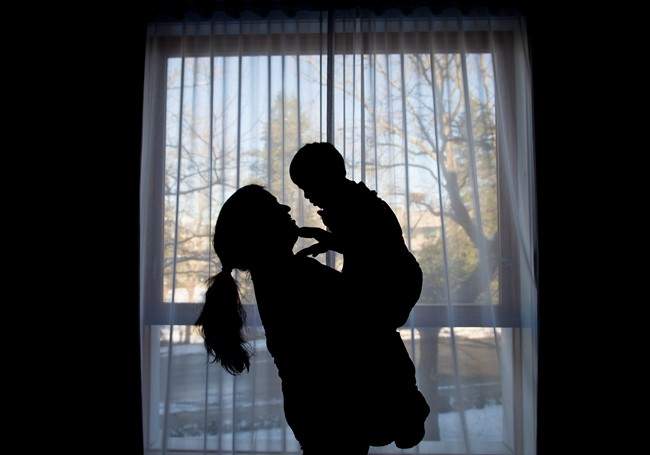
The child is doing his best to readjust. He asks why he had to go away. What is a mother supposed to tell him when she has no answers herself? How do you explain government policy to a six-year-old who just wants to know if the people who took him are coming back?
You lie. You tell him he is safe now. You tell him the world is good. You smile through the terror that grips your chest every time a car slows down outside your window.
This is the hidden cost of unaccountable child welfare systems. It is not just the disruption of the separation; it is the chronic, lingering hypervigilance that follows the reunion. It is the knowledge that the machinery is still out there, humming in government offices, operating behind closed curtains, unaccountable to the very people it was created to protect.
The boy sits on the living room floor, building a tower out of wooden blocks. He places each piece with intense, fragile concentration, balancing weight and gravity. It takes minutes to build. It takes a single flick of a finger to knock it all down.
Across the room, his mother watches him, her hand resting on the doorframe, waiting for a phone call that is never going to come.